
Florida Nursing Home Abuse Lawyer

Florida Nursing Home Abuse and Negligence Lawyer

When someone you love is injured in a nursing home, you need answers about their care and a plan for keeping them safe. A new wound, an unexplained injury, or a sudden change in behavior can leave families wondering whether the facility missed a warning sign or failed to provide needed help.

Rafferty Domnick Cunningham & Yaffa represents people affected by nursing home abuse and neglect in Florida. Our attorneys help families evaluate what happened, identify evidence, and determine whether legal action is appropriate. You do not need to arrive with a complete medical file or a proven case to discuss your concerns.

If your loved one is in immediate danger, call 911. For a free case consultation, call (561) 516-5168.

Rafferty Domnick Cunningham & Yaffa

Need Help With Nursing Home Abuse in Florida?

Nursing Home Abuse legal help

Rafferty Domnick Cunningham & Yaffa attorneys

Rafferty Domnick Cunningham & Yaffa can explain the issues involved in your nursing home abuse matter and help you understand the next step.

Call now

(561) 516-5168
Call the firm

What to do when you suspect abuse or neglect

Start with the resident’s safety. Ask for a prompt clinical assessment of an unexplained injury or concerning change. If there is an emergency, seek emergency assistance instead of waiting for an administrator’s response.

For suspected abuse, neglect, or exploitation of a vulnerable adult, contact the Florida Abuse Hotline at 1-800-962-2873. Have the facility’s name, the resident’s location, and a description of your concerns ready. Report what you know; an investigation can address information you do not have. Florida DCF: Information to provide when reporting.

Different organizations can help with different concerns:

  • AHCA: 1-888-419-3456. The Agency for Health Care Administration receives complaints about licensed health care facilities and regulatory compliance. Use its Health Care Facility Complaint Form for a nonemergency facility complaint.
  • Long-Term Care Ombudsman: 1-888-831-0404. The program helps residents address concerns about their rights and care. Florida’s official nursing home resident rights poster lists these contacts.
  • An attorney. Legal review addresses potential civil claims and their deadlines. Save agency confirmation numbers and correspondence for that review.

Keep a dated account of what you observed, who you contacted, and what happened afterward. Include the resident’s own words where possible, distinguishing them from your observations. Preserve relevant photographs with the resident’s permission and respect other residents’ privacy.

Warning signs families should take seriously

Changes that deserve attention include unexplained bruises or injuries, withdrawal or unusual fear, poor hygiene, unsafe living conditions, missing personal care aids, and unexpected financial losses. These are warning signs for investigation rather than a diagnosis of abuse. The National Institute on Aging recommends looking for patterns and seeking help when concerned. National Institute on Aging: Elder abuse.

During visits, ask specific questions: When did this change begin? Who assessed it? Was the clinician notified? What is the plan today? Who will update the family? A concrete question is more useful than a general assurance that the resident is doing fine.

Listen to explanations, but document inconsistencies. If staff describe an injury differently on separate occasions, record the dates and speakers. If a promised assessment or care-plan meeting does not happen, keep your follow-up messages. An accurate timeline helps clinicians and investigators understand the concern.

Abuse, neglect, and a poor medical outcome

Abuse may involve assault, intimidation, sexual mistreatment, or other prohibited conduct. Neglect can involve failures to provide necessary care and assistance. A resident can experience serious harm without someone deliberately trying to injure them.

Federal rules for participating nursing facilities protect residents from abuse, neglect, exploitation, and misuse of their property. They also prohibit physical or chemical restraints used outside treatment of medical symptoms. 42 CFR §483.12: Freedom from abuse, neglect, and exploitation.

Not every injury or decline establishes a legal claim. Residents may have complex illnesses, limited mobility, or other risks. An investigation must consider those circumstances, the care provided, and whether a failure caused additional harm.

Care failures a nursing home investigation may examine

The starting point is the resident’s actual needs and what happened before, during, and after the injury. Relevant concerns can include:

  • Pressure injuries: whether risk was assessed, prevention measures were carried out, and a developing wound received appropriate attention.
  • Falls and unsafe transfers: whether the resident received the supervision, assistance, and equipment their condition required.
  • Nutrition and hydration: whether staff identified difficulty eating or drinking and followed an appropriate plan.
  • Delayed assessment: whether a significant change was recognized, communicated, and addressed.
  • Abuse or exploitation: whether reports were taken seriously and protective measures followed.

Federal quality-of-care requirements address pressure injuries, accident prevention, nutrition, hydration, and other needs. Their application depends on the resident’s clinical circumstances. 42 CFR §483.25: Quality of care.

Infection concerns also require timely medical attention. The CDC describes sepsis as a life-threatening response to infection and a medical emergency. New confusion, shortness of breath, extreme discomfort, or other concerning symptoms warrant prompt clinical evaluation; families should not try to determine the cause from a website. CDC: About sepsis.

What medical research tells families about prevention

Research helps explain why an investigation looks beyond the injury itself to the care system surrounding it.

A 2024 review in the Journal of Clinical Nursing examined strategies for implementing pressure injury prevention in nursing homes. It identified approaches including quality improvement, staff education, and nursing protocols, while describing gaps in the evidence about implementation barriers. A written policy therefore raises another practical question: how was it put into practice for this resident? Yang and colleagues: Nursing home pressure injury prevention implementation review.

A 2025 Cochrane Database of Systematic Reviews review found that fall prevention programs tailored to residents and implemented with staff involvement probably reduce falls. Confidence in the evidence varied, and the authors identified research limitations. Families can ask how a facility adapts its prevention approach when a resident’s needs change. Dyer and colleagues: Interventions for preventing falls in older people in care facilities.

These studies provide context for questions and expert review. They do not determine whether a particular injury was preventable or whether a facility is legally responsible.

Rafferty Domnick Cunningham & Yaffa

Questions About Nursing Home Abuse?

Nursing Home Abuse legal help

Rafferty Domnick Cunningham & Yaffa attorneys

Rafferty Domnick Cunningham & Yaffa can explain the issues involved in your nursing home abuse matter and help you understand the next step.

Call now

(561) 516-5168
Call the firm

Florida FL nursing home residents have protected rights

Florida law protects a resident’s dignity, privacy, participation in care, access to information, and ability to raise concerns without reprisal. It also protects residents from abuse, neglect, and exploitation. Florida Statutes §400.022: Residents’ rights.

A care discussion should address the resident’s preferences as well as their medical needs. Families can help organize questions, but their authority to make decisions or obtain confidential information depends on the resident’s wishes and applicable legal documents.

Keep any health care surrogate designation, power of attorney, guardianship order, and admission agreement available for legal review. Those documents can affect who may act, what information can be requested, and how a dispute proceeds.

How a Florida FL nursing home claim is investigated

A useful investigation reconstructs the care timeline. It compares what the resident needed with the assessments, orders, care plans, treatment records, and events documented around the injury.

Depending on the issue, relevant evidence may include:

  • Admission assessments and the resident’s condition before the event.
  • Care plans, physician orders, nursing notes, and medication administration records.
  • Wound records, weight histories, and nutrition or hydration documentation.
  • Hospital, ambulance, and discharge records.
  • Family messages, photographs, witness information, and complaint correspondence.
  • Facility inspection reports, staffing information, and policies obtainable through appropriate legal procedures.

The legal analysis must connect a failure in care to the resident’s harm. Florida’s civil enforcement statute requires proof of duty, breach, causation, and resulting loss. A regulatory violation can be evidence of negligence without automatically establishing liability. Florida Statutes §400.023: Civil enforcement.

An attorney may work with qualified clinical experts to evaluate disputed medical issues. Records must be considered together: a brief entry, missing documentation, or troubling photograph may raise questions, but its meaning depends on the surrounding evidence.

Use inspection records and ratings to ask better questions

Public information can help you understand a facility’s history. CMS provides separate nursing home ratings for inspections, staffing, and quality measures, as well as an overall rating. CMS cautions that ratings cannot cover every consideration relevant to choosing care. CMS: Five-Star Quality Rating System.

Look at the substance and dates of inspection findings. Was the concern related to your loved one’s experience? Did the facility describe corrective steps? What happened afterward? A rating is a starting point for questions, rather than a guarantee of safety or a finding about an individual claim.

Useful public tools include:

Why families choose Rafferty Domnick Cunningham & Yaffa

Nursing home cases can involve medical evidence, disputed accounts of care, and questions about who controlled facility operations. Families need counsel who can investigate those issues and explain their significance clearly.

RDCY’s team includes Lindsey Gale, whose practice focuses on representing nursing home abuse victims and includes catastrophic injury and wrongful death matters. Her work gives families a relevant point of contact within the firm. Lindsey Gale’s professional background.

The firm also includes Sean C. Domnick, a Florida Bar board-certified civil trial lawyer whose practice includes nursing home litigation. His professional background lists nursing home claims presentations for PEOPIL in 2020 and the Florida Justice Association in 2017. Trial certification and subject-specific education provide concrete information about the experience available within the firm. Sean Domnick’s certification and professional background.

That experience is accompanied by documented association leadership. Domnick served as the American Association for Justice’s 78th president in 2023–2024, and was elected Palm Beach County Justice Association president in 2018. These are dated leadership roles, allowing families to assess his professional service accurately. AAJ leadership record; 2018 election announcement.

Gale was elected secretary of AAJ’s New Lawyers Division in 2025, according to the firm’s election announcement. That is a distinct role within the organization. Lindsey Gale’s election announcement.

The team’s public work also addresses long-term care. Domnick authored a 2025 Sun Sentinel opinion article discussing nursing home workforce concerns. This is public commentary on care policy, separate from the peer-reviewed medical research cited above. Published Sun Sentinel article. His AAJ leadership record also links to his authored Trial magazine president’s columns.

For a family choosing counsel, these credentials provide useful background. The next conversation should address who will handle the matter, how the evidence will be evaluated, and how the firm will communicate throughout the investigation.

Rafferty Domnick Cunningham & Yaffa

Ready to Discuss Your Nursing Home Abuse Matter?

Nursing Home Abuse legal help

Rafferty Domnick Cunningham & Yaffa attorneys

Rafferty Domnick Cunningham & Yaffa can explain the issues involved in your nursing home abuse matter and help you understand the next step.

Call now

(561) 516-5168
Call the firm

Talk with a Florida FL nursing home abuse attorney

Bring the facility’s name, the approximate dates involved, a description of the injury or change, and any records or correspondence already available. If your loved one has died, include information about the estate and any appointed personal representative.

You can also bring questions: What additional records are needed? Which legal deadlines may apply? Who will communicate with our family? How are attorney fees and case expenses handled if the firm accepts the matter?

Call (561) 516-5168 for a free case consultation with Rafferty Domnick Cunningham & Yaffa. Early review can help identify the evidence and legal issues that need attention.

Florida FL Nursing Home Abuse FAQs: Safety, Records, and Claims

These answers provide general information for Florida residents and families. The applicable law, care setting, and facts must be reviewed for an individual matter.

Should I wait until I have proof before reporting suspected abuse?

No. You can report a reasonable concern without completing your own investigation. Explain what you personally observed, what the resident told you, and what remains unknown. Information about the facility, resident, timing, and suspected harm helps authorities evaluate the report. If the resident is in immediate danger, call 911 before relying on a complaint form or routine response.

Avoid delaying a report while searching for every record. Preserve the information you have and continue documenting subsequent events accurately. A legal consultation can address a potential claim while public authorities address the report; neither process requires you to diagnose the resident or decide liability yourself.

Sources: Florida DCF reporting guidance; National Institute on Aging elder abuse guidance.

Does an AHCA complaint replace a lawsuit?

No. A facility complaint and a civil claim serve different purposes. AHCA evaluates concerns about compliance with facility regulations. A civil claim seeks legal relief under the applicable law. Save the complaint, confirmation number, correspondence, and any response so an attorney can consider them alongside the care records.

Reporting to AHCA does not substitute for Florida’s nursing home presuit notice process. Do not assume that an agency investigation protects a filing deadline. You can ask an attorney to review potential deadlines even if AHCA has not completed its work or you are still waiting for an explanation from the facility.

Sources: AHCA Health Care Facility Complaint Form; Florida Statutes §400.0233: Presuit requirements.

Can I request my parent’s nursing home records?

Yes, if you have the authorization required to obtain those records. Being a relative does not by itself resolve every access question. Florida’s records statute addresses requests by a competent resident or an authorized representative, subject to HIPAA and its other requirements. It generally requires records within 14 working days for a current resident or 30 working days for a former resident.

Use a written request and keep proof of receipt. Include documents establishing your authority when needed. If the facility questions access or your parent has died, obtain advice about the correct request and representative. Care records and materials an attorney may later seek through litigation are not necessarily the same collection.

Sources: Florida Statutes §400.145: Copies of resident records; 42 CFR §483.70: Clinical records requirements.

Who can be held responsible for a nursing home injury?

Responsibility depends on the defendant’s role and the evidence connecting that role to the harm. Florida’s statute identifies potential defendants including the facility licensee, qualifying management or consulting companies, managing employees, and direct caregivers. It protects passive investors and sets additional requirements for claims against other parties.

The facility’s public name may differ from its licensed operating entity. An investigation therefore looks at the license and operational relationships, rather than assuming every company associated with the building is responsible. Give counsel the admission agreement, bills, and facility correspondence you have. Public facility information can help identify the starting point for that investigation.

Sources: Florida Statutes §400.023: Civil enforcement and potential defendants; Florida HealthFinder facility search.

Does a bedsore or fall automatically mean neglect occurred?

No. The event calls for assessment, but liability requires examination of the resident’s condition and care. Relevant questions include what risks were recognized, what protective measures were appropriate, whether those measures were implemented, and how staff responded when the resident’s condition changed. An attorney can explain which records and clinical expertise are needed.

Medical research informs that review without deciding an individual case. Pressure injury prevention studies examine implementation as well as policy. Fall prevention research supports some tailored interventions but also identifies limitations and uncertainty. Avoid treating a general study result as proof that one particular injury could have been prevented with a specific intervention.

Sources: Pressure injury prevention implementation review; Cochrane care facility fall prevention review; Federal quality-of-care requirements.

Is a nursing home neglect claim the same as medical malpractice?

No. Florida’s statutory nursing home negligence and residents’ rights claims have their own legal framework. Section 400.023 states that Chapter 766 does not apply to the causes of action identified there. A separate allegation involving a physician or another health care provider may require a different analysis.

This distinction affects how a case is investigated and prepared. The nursing home presuit statute generally provides a 75-day evaluation period after the required notice is mailed. An attorney must determine which claims and procedures apply to each party. Families should not copy a medical malpractice notice or assume that one procedure covers every concern about treatment in a nursing facility.

Sources: Florida Statutes §400.023: Nursing home civil claims; Florida Statutes §400.0233: Nursing home presuit process.

How long do I have to bring a Florida FL nursing home claim?

For damages claims under this part of Chapter 400, the statute generally provides two years from the incident or its discovery, including when it should have been discovered through due diligence. It also generally imposes a four-year outside limit. Specified fraudulent concealment or intentional misrepresentation can alter the calculation, subject to a six-year outside limit.

These rules need a factual timeline and review of any applicable tolling. The date of a hospital transfer, discovery of a wound, or receipt of records may raise different questions. Arrange legal review promptly rather than choosing a deadline yourself. Presuit requirements also take time and must be considered before the filing period expires.

Sources: Florida Statutes §400.0236: Time limits; Florida Statutes §400.0233: Presuit procedure and tolling.

Can a facility discharge a resident because the family complains?

A complaint alone is not a lawful basis for an involuntary discharge. Florida protects the right to raise grievances without reprisal. Federal rules for participating facilities limit the grounds for transfer or discharge and require applicable documentation, notice, and appeal information. Emergency circumstances and other exceptions can affect notice timing.

If a facility threatens discharge after a complaint, save its written notice and record the explanation given. Contact the Long-Term Care Ombudsman and seek prompt advice about the resident’s rights and any appeal deadline. Do not assume an informal conversation suspends a proposed move. A planned transition also needs attention to medications, care instructions, and the receiving provider’s ability to meet the resident’s needs.

Sources: Florida Statutes §400.022: Grievance and resident rights; 42 CFR §483.15: Transfer and discharge rights.

What compensation may be available if neglect causes death?

Available damages depend on the claim, the evidence, and the legally eligible beneficiaries. Florida’s wrongful death statute identifies categories of damages for survivors and the estate. The applicable analysis may involve lost support, companionship, mental suffering, medical expenses, or funeral expenses, with statutory qualifications. There is no reliable universal settlement value for a nursing home death.

An attorney should review estate authority, family relationships, and evidence of the loss before estimating recovery. Punitive damages have separate pleading and proof requirements; they are not automatic when care was poor or an injury was severe. Keep expense records and estate documents available while the firm evaluates the appropriate legal route.

Sources: Florida Statutes §768.21: Wrongful death damages; Florida Statutes §400.0237: Punitive damages requirements; Florida Statutes §400.023: Claims after a resident’s death.

What should I bring to a consultation with RDCY?

Bring the facility’s name, a short timeline, your main concerns, and any relevant documents already available. Useful items include care records, hospital discharge papers, photographs, messages, complaint responses, and documents showing authority to act for the resident. A written list of questions can help you make the most of the conversation.

You can contact RDCY even if you do not yet have every record. Lindsey Gale’s practice includes nursing home abuse matters, and Sean Domnick’s practice includes nursing home litigation. Ask who would handle your matter, what further investigation may be needed, and how fees, expenses, and updates would work if the firm accepts the case. The firm offers a free case consultation.

Sources: Lindsey Gale’s nursing home practice; Sean Domnick’s professional background; Florida Statutes §400.145: Resident records requests.

Nursing Home Abuse: Locations We Serve

Related Articles

Most Reported Types Of Abuse

2026

Physical Abuse
29%
Resident-On-Resident
21%
Gross Neglect
14%
Financial Abuse
7%
Sexual Abuse
7%
29%
1
21%
2
14%
3
7%
4
7%
5
1 Physical Abuse
2 Resident-On-Resident
3 Gross Neglect
4 Financial Abuse
5 Sexual Abuse

5M

Older Americans experience
abuse every year.

44%

Of nursing home residents
report being abused.

150M+

In fines issued to U.S. 
nursing homes in 2023

7,654

Abuse, neglect, or 
exploitation citations
issued in 2024

1 in 3

Residents or families report emotional abuse

24.3%

Of residents experience at least one physical abuse incident

81%

Of staff report witnessing emotional harm by cowokers

Frequently Asked Question Videos

Nursing Home Abuse Faq
This Evidence Can Make or Break a Nursing Home Case | Rafferty Domnick Cunningham Yaffa

Video Transcript

Attorney Lindsey Gale: There is a lot of evidence that is needed or can be used to prove nursing home abuse. The first and most important are the resident’s medical records. We go through the resident’s medical records with a fine tooth comb to see what care was or was not provided to the resident and determine if that failure to provide that care caused injury or harm to the resident.

Nursing Home Abuse
The Key Change Needed to Prevent Nursing Home Abuse | Rafferty Domnick Cunningham Yaffa

Video Transcript

Attorney Lindsey Gale: I think the number one change that needs to happen in the nursing home industry to prevent abuse is to increase the minimum staffing requirements. People prioritize cutting costs, keeping costs down. These nursing homes are a business. They’re not in the business of caring for people. They’re in the business of making money. And we need to go back to the time when these nursing homes were in the business of caring for people. And you care for people by providing them with the number of staff that they need to remain safe.

Nursing Home Abuse
Before You Can Sue a Nursing Home in Florida, This Has to Happen | Rafferty Domnick Cunningham Yaffa

Video Transcript

Attorney Lindsey Gale: In Florida, the steps to filing a nursing home abuse lawsuit is first you need to send what’s called a notice of intent to initiate litigation to the prospective defendant and let them know about what you’re alleging, what the claims are. There is a 75day pre-suit period where both the plaintiff and the defendant get to investigate the claims and determine if there is a claim and if it is worth trying to negotiate. There’s also requirements of what’s an unsworn statement and a pre-suit mediation where the unsworn statement they take a statement of the client to determine what they know about what happened. And then with the pre-suit mediation, the parties attend to determine if there’s a possibility of settling the suit prior to suit being filed. If the case is not able to be resolved in pre-suit, we go to the courts, we go online and file a lawsuit against the facility.


Nursing Home Abuse
How Families Often Discover Nursing Home Abuse | Rafferty Domnick Cunningham Yaffa

Video Transcript

Attorney Lindsey Gale: There are a lot of different types of nursing home abuse cases that we handle. The most common types are bed sores or pressure sores where you leave a resident in bed for too long and fail to turn them. There’s a lot of cases involving falls, sexual assault, resident on resident abuse, medication errors. Some of the biggest warning signs of nursing home abuse aren’t until after the abuse is occurring. Usually, you will find your loved one in the nursing home and they will have an unexplained injury. And unfortunately, that is when a lot of the times the family even discover the abuse.

Nursing Home Abuse
This Is How Neglect Happens in Nursing Homes | Rafferty Domnick Cunningham Yaffa

Video Transcript

Attorney Lindsey Gale: Understaffing contributes to nursing home neglect and abuse because the problems occur usually when there are not enough staff in the facility to provide the care that each of these residents need to remain safe. If there aren’t enough staff members there, the resident who needs to be turned, the resident who needs to go to the bathroom will not have someone there to help them do that.

Florida Nursing Home Abuse
This Simple Step Can Make or Break a Nursing Home Case | Rafferty Domnick Cunningham Yaffa

Video Transcript

Attorney Lindsey Gale: Family’s documentation of injuries or behavioral changes is so important in these nursing home cases. If I talk to a family member while their loved one is still in a nursing home, I tell them to get a notepad. I’ll give them a notepad and tell them to write everything down every interaction. And I also tell them that if they’re going to be interacting with any of the staff at the nursing home to ideally have it in writing and give it to me because if it’s not documented, it’s not done. And we tell that to the nursing home staff all the time. And so that also applies for our clients and what they’re saying happened.

Florida Nursing Home Abuse Lawyer
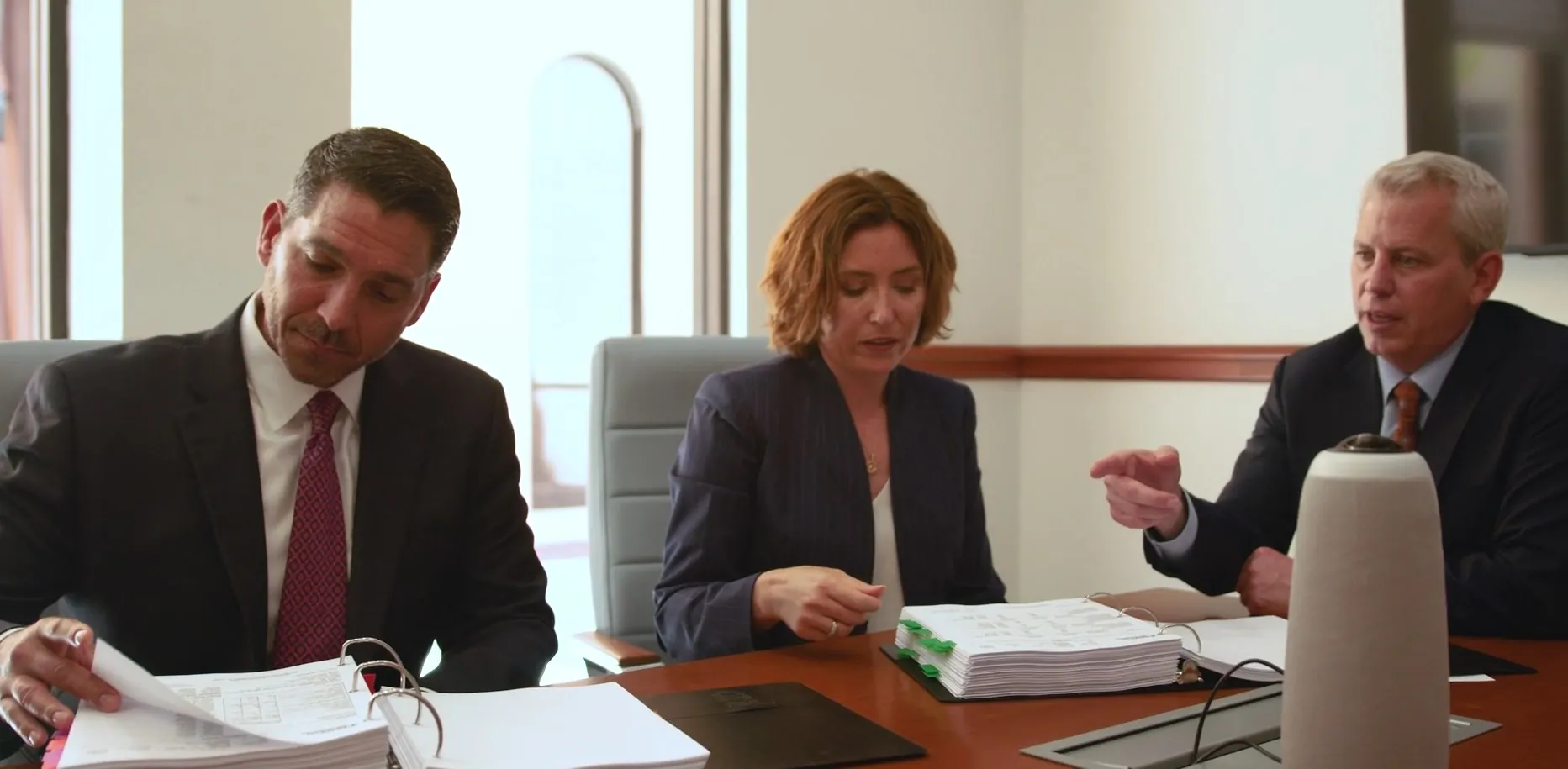
Why Family Visits Are Critical in Nursing Homes | Rafferty Domnick Cunningham Yaffa

Video Transcript

Attorney Lindsey Gale: Families regular visits and communication with the nursing home is so important. It’s crucial to ensuring that their loved one remains safe in the nursing home. The reason it does this is because the staff at the nursing home know that there are going to be people checking up on that resident and making sure that they are safe and cared for and taken care of. They know that these people are not just being thrown in the nursing home, that someone is checking in on them.

Nursing Home Abuse
Recognizing Neglect Through Poor Hygiene and Bedsores | Rafferty Domnick Cunningham Yaffa

Video Transcript

Attorney Lindsey Gale: Poor hygiene and bed sores can be considered neglect because they are leaving these residents in their own feces. They are not bathing them. They’re not turning them. They are leaving them in bed helpless and they’re not doing anything. And they’re not providing them the care that they tell the family members and the residents that they’ll provide for them. And they’re not doing that.

Nursing Home Abuse
Settled or in Court: What Happens in Nursing Home Abuse Cases | Rafferty Domnick Cunningham Yaffa

Video Transcript

Attorney Lindsey Gale: Nursing home abuse cases are sometimes settled out of court. The goal is to always get a resolution for the client that is beneficial for them and that makes them feel they have some closure in a horrible situation. And if we’re able to do that without going to trial, we will do that. But if the facility, the defendant, the nursing home is unwilling to pay what the client deserves, then the case has to go to trial.

Nursing Home Abuse
Behind the Scenes of Nursing Home Abuse Cases | Rafferty Domnick Cunningham Yaffa

Video Transcript

Attorney Lindsey Gale: Expert witnesses are often retained in nursing home cases. There are different types of witnesses, experts that we retain. There’s nursing experts to review to see if the nursing home provided care within the standard of care as the nursing home’s required to do. And there are also experts that we retain if there is a death in the case to determine if that abuse or neglect caused that resident’s death.

Can Prior Complaints Against a Nursing Home Help Prove a Case?
Can Prior Complaints Against a Nursing Home Help Prove a Case? | Rafferty Domnick Cunningham Yaffa

Video Transcript

Prior complaints against a nursing home absolutely help us to prove a case. We want to prove patterns, not an isolated incident. Isolated incidents are one thing, and it’d be great if something was just an isolated incident, but it rarely is. If you see one, then chances are you’re going to see two, you’re going to see three, you’re going to see four. And so we track things in these nursing homes, like the number of residents that have pressure sores, pressure sores that were acquired in-house. But if you’re not an experienced nursing home lawyer and you don’t know what to ask for, and you don’t know what’s in the records that aren’t just the regular medical record, how are you going to tell that story? How are you going to get to the why? That’s why you need to hire an experienced nursing home lawyer and why you need to hire us.

How Do Nursing Home Inspection Reports Affect an Abuse Case? | Rafferty Domnick Cunningham Yaffa

Video Transcript

Nursing home inspection reports are, again, a valuable tool to see what it is that’s going on at a particular moment, and it’s a way of tracking patterns. Are they having the same violations time and time again? Are we seeing lack of staffing that’s going on? Are we seeing an increase in pressure sores happening in that nursing home? An increase in infections? It is a piece of the puzzle that we look at in order to tell this bigger story.

What Rights Do Residents Have in a Nursing Home? | Rafferty Domnick Cunningham Yaffa

Video Transcript

Residents in a nursing home have several rights that are mandated by law. The most important right is to be treated fairly, to be treated adequately, and the right to good medical care. That is the nursing home’s obligation. It is the promise that they make. It is why people feel comfortable saying, “I’m going to put my mom, I’m going to put my dad here.” And if they break that promise, your mom or your dad is hurt, then we’re going to hold them accountable.

Can Staffing Records Help Prove Nursing Home Neglect? | Rafferty Domnick Cunningham Yaffa

Video Transcript

Staffing records are an incredibly important part of our proof of a nursing home neglect case. When I first started doing nursing home cases, the staffing stuff was all on the old cards, and I’d have to sit down for hours, and I would create these charts of days of the week, hours that were worked, and all of that, and a story would be told. Days of gaps of not enough employees, or the same employee working 70-hour weeks, week after week after week. How are they possibly going to be able to give good care when they’re tired down and worn out? Now it’s easier for us to do that charting because everything is done through the computer, but this all tells us a story of what happened. And really, what we’re often looking for is not just what happened, but why it happened. And that often takes us back to this truth. Why abuse and neglect happens in a nursing home to our loved ones is because somebody is trying to save a buck, and they’re putting profits over the patient’s safety.

How Important Are Nursing Home Incident Reports in a Case? | Rafferty Domnick Cunningham Yaffa

Video Transcript

Nursing home incident reports can be very important. Unfortunately, what happens is the nursing homes try to hide behind certain legal maneuvering to prevent us from getting those incident reports. They direct, “Don’t put these into the medical records.” They tell their people not to talk to the family about them. “Don’t tell them the truth.” That’s always the default, right? Don’t tell the people, the family, the truth about what happened. That’s why you need to hire us, because we’re the ones that are going to get to the truth for you.

Should Families Take Photos if They Suspect Nursing Home Neglect? | Rafferty Domnick Cunningham Yaffa

Video Transcript

Photos are incredible evidence in these cases, and if you suspect that there is nursing home abuse or neglect, absolutely take photos. They are the best evidence.

What Medical Records Are Important in a Nursing Home Abuse Case? | Rafferty Domnick Cunningham Yaffa

Video Transcript

So medical records in a nursing home abuse case are incredibly important. We need to get all of the medical records from the nursing home, any doctor’s visits that are there, any hospital visits. And we kind of go through a process that’s there. Let’s take a pressure sore case, for example. And often for our nursing home residents, they’ll have been in a hospital, then to a nursing home, then back to a hospital for something, to a nursing home. So what we’re looking for is where did that pressure sore start? Did it start in the hospital? Did it start in the nursing home? When it started, what was done to address the development of the pressure sore? How did they deal with it? Did they do what they were supposed to be doing? So we create a timeline of the development of the different thing. If it’s a wound infection, when did the wound start? Was it documented? Oftentimes, for example, on a pressure sore, the first documentation that we will see in the record is a pressure sore at a Stage 3. Well, that means that it went through Stage 1, the redness, and Stage 2, which was the initial breaking of the skin, down into a deeper wound without anybody noticing it. What does that tell you about the quality of care that is being given and the attention that is being paid to that resident? So it is important to know how to look through these records. It is important to hire a lawyer who is experienced in looking into these records, and often it’s not just what is in the records, it’s what’s not in the records that helps tell the story. And it’s only somebody like me who’s looked at hundreds and thousands of these records over the course of a career that can really tell the difference.

Can Poor Wound Care Be Considered Nursing Home Neglect? | Rafferty Domnick Cunningham Yaffa

Video Transcript

Poor wound care is absolutely nursing home neglect. We see this all the time. Bandages that aren’t changed for five, six, seven, eight days. Medication that’s not being given, wounds not being cleaned. And something that should have been just a small minor inconvenience healed up in a week, turns into a raging infection, becomes septic, and they die.

Are Pressure Ulcers Preventable in Nursing Homes? | Rafferty Domnick Cunningham Yaffa

Video Transcript

Pressure ulcers are preventable. There are certain times where they are not. There are patients with advanced cancer, advanced nutritional needs, or some folks that are unable to be turned for whatever reason. That is a small percentage of the nursing home residents. In virtually every other resident, if they develop a pressure sore, it was an avoidable pressure sore, and it happened because the nursing home wasn’t doing the job that they were collecting money and making a promise to do.

What Makes a Bedsore Case Serious Enough for Legal Action? | Rafferty Domnick Cunningham Yaffa

Video Transcript

Pressure sore cases or bed sore cases, there are different levels of those types of injuries. You have a stage one, which is just some redness. That’s usually not sufficient for a lawsuit. It’s usually when we see that it has broken through and has moved down through the layers of the skin and you start to see bone. One of the things that’s really difficult about these pressure sore, bed sore types of cases is people when they come in, they’re not pulling the sheets and the blankets off of their loved one. They’re not rolling them over saying, “Let me do the inspection on you.” They’re trusting the nursing home to do the job that they are supposed to be doing. Under federal and state regulations, an unavoidable pressure sore is what they call a never event. It should not happen with good care. It only happens because the care was substandard.

Can sepsis from a bedsore lead to a nursing home neglect claim
Can Sepsis From a Bedsore Lead to a Nursing Home Neglect Claim? | Rafferty Domnick Cunningham Yaffa

Video Transcript

Bedsores, we see those unfortunately weekly in cases that are brought to us. And what is a bedsore? I hate the term bedsore because it’s really a pressure sore. It is caused by pressure because somebody is in their bed or left in a chair, they’re not turned adequately to relieve the pressure. The skin starts to break down, and you go through different stages of that, and we’ve seen these cases where the pressure sores are down to the bone. They become infected, lead to sepsis, and can lead to death. If you see something like that, call me right away. Call the Agency for Healthcare. Get the doctor and get them the heck out of there because that just is an absolute sign of neglect that is happening, and you can’t afford to leave that loved one in that nursing home for another day.

How can neglect cause infections in a nursing home
How Can Neglect Cause Infections in a Nursing Home? | Rafferty Domnick Cunningham Yaffa

Video Transcript

Neglect in a nursing home can often lead to infections. Nursing home residents, older folks, their skin is thin. They rub up against something, it can get an open wound that happens. If it’s not cleaned, if it’s not cared for, places like that are just hotbeds for bacteria and other germs to be able to get in there and cause that infection. And so particularly with older folks who you want to make sure that things don’t happen to start with, because once things start happening, it’s much harder to get them back on track than it might be for somebody who is younger and healthy.

What are the warning signs of dehydration or malnutrition in a nursing home
What Are the Warning Signs of Dehydration or Malnutrition in a Nursing Home? | Rafferty Domnick Cunningham Yaffa

Video Transcript

So the warning signs of dehydration or malnutrition in a nursing home, you start to see sunken cheeks. You start to see crusting around the mouth from the dehydration. You start to see sort of a dullness in somebody’s eyes. They stop moving as much. They’re not as active. Obviously, the weight loss that you start to see, sunken cheeks.

Can malnutrition in a nursing home be grounds for a lawsuit
Can Malnutrition in a Nursing Home Be Grounds for a Lawsuit? | Rafferty Domnick Cunningham Yaffa

Video Transcript

Malnutrition is absolutely grounds for a lawsuit in a nursing home. One of the very first nursing home cases that I ever handled in my career 30 years ago, the patient had premature Alzheimer’s, 65 years old in the nursing home, and his wife would come to visit him every day. They had two daughters that both lived up in New York, and both of them were giving birth within a month of each other. Mom says, “I’m going up to New York to be with them for the birth of our grandchildren,” and she takes a picture of her husband to take to the two girls to show them, look how wonderful dad is doing. She comes back six weeks later. He had lost over 40 pounds in that six weeks. They weren’t feeding him. They were bringing him his tray, taking away a full tray. And that case was revealing to me because I was young. I didn’t really understand what it was that was going on. And I saw that and I’m like, “Oh my gosh, I had no idea that this is what happened.” And so a big motivator for me to say, I’m going to take on these cases, and I’m going to do all I can to make sure that people who are helpless, who need the help of others, who are being promised, families that are being promised, we’re going to take care of your loved one, we got this, that people live up to those promises, or they’re going to be held accountable.

Can dehydration in a nursing home be considered neglect
Can Dehydration in a Nursing Home Be Considered Neglect? | Rafferty Domnick Cunningham Yaffa

Video Transcript

Dehydration is one of the primary types of cases that we see that’s an absolute sign of neglect and abuse in a nursing home. It is their job to make sure that people are adequately hydrated. It’s one of the biggest problems that we have, is that these residents in there are not drinking enough. They’re not being given enough fluids that are there. They’re supposed to be tracking how much is coming in, how much is coming out. If they’re not doing their job, dehydration, we see it, and we know what the effects of that can be.

What should families do if a resident suddenly becomes withdrawn or fearful
What Should Families Do if a Resident Suddenly Becomes Withdrawn or Fearful? | Rafferty Domnick Cunningham Yaffa

Video Transcript

If a resident suddenly becomes withdrawn, suddenly becomes fearful, obviously, the first thing you’re going to try to do is talk to them. What’s going on here? You want to speak with the people who are in charge of the facility, speak to their doctor, get the doctor in to see them. Those changes can be a sign of a disease process, natural aging, or it could be a sign that they are being subjected to abuse. And of course, if your gut is telling you it’s abuse, give me a call. We’ll find out the truth.

Can verbal abuse by nursing home staff lead to a lawsuit
Can Verbal Abuse by Nursing Home Staff Lead to a Lawsuit? | Rafferty Domnick Cunningham Yaffa

Video Transcript

Verbal abuse by a nursing home staff can lead to a lawsuit. Unfortunately, it’s among the most difficult of the cases. In the early 1980s, there was a grand jury that was empaneled in Miami-Dade County to look into nursing home abuse and neglect. Out of that came what is called Chapter 400 in the state of Florida. It’s statutes specifically designed to protect nursing home residents. One of the key factors that was in that was that if the nursing home resident prevailed on a case against the nursing home, that they could collect attorney’s fees. So if you had a case of emotional abuse or neglect, or verbal abuse or neglect that didn’t really result in physical injury, it’s a hard case to take because the value of it in front of a jury is probably not going to be that large. You’re not going to get a big verdict. So the legislature recognized, important to vindicate those rights, so we’re going to give the ability for the attorneys to be able to take these cases through having the attorney’s fees transfer. In 2003, 2004, they changed that law. They took away the attorney’s fees. They did other things as well, and in fact, now nursing home residents have fewer rights in Florida than they did before that grand jury convened. So this whole history and whole story of nursing home residents’ rights and who it is that is being protected, is it the residents that are being protected, or is it the people who are taking the money out of the system that are being protected? We know the answer to that. We’re seeing that happen today. We’ve seen the pardons of these folks who stole money from the nursing home system. They were convicted of fraud. They’re getting pardoned. What is going on here?

What are signs of emotional abuse in a nursing home resident
What Are Signs of Emotional Abuse in a Nursing Home Resident? | Rafferty Domnick Cunningham Yaffa

Video Transcript

Signs of emotional abuse in a nursing home resident are things like you see them withdrawn, you see somebody teary, crying constantly, fear. Those are the things that you’re going to see with emotional abuse. Somebody, a caregiver gets in the room, and all of a sudden, there’s a change in your loved one’s behavior because they’re afraid of them.

Can emotional abuse in a nursing home be part of a legal claim
Can Emotional Abuse in a Nursing Home Be Part of a Legal Claim? | Rafferty Domnick Cunningham Yaffa

Video Transcript

Emotional abuse in a nursing home absolutely can be part of a legal claim. It’s hard to prove. It’s really hard to prove, particularly if you have a patient who suffers from dementia, from Alzheimer’s, getting them to be able to tell the story that’s there. And that’s why you need to hire somebody like me who’s handled a lot of these cases, because we can see the signs, see the clues, follow the path, get the witnesses to establish that case. But under both federal and state law, there are specific rules that preclude and prevent emotional abuse.

What are physical restraints in a nursing home, and when are they improper
What Are Physical Restraints in a Nursing Home, and When Are They Improper? | Rafferty Domnick Cunningham Yaffa

Video Transcript

So physical restraints in a nursing home can have a very broad definition. For example, bed rails can be considered a physical restraint. Then there are straps that are utilized in nursing homes as well. There are rare occasions when those types of restraints are appropriate, but they are only appropriate when there is a thorough and appropriate evaluation and the order is given for the benefit of the patient. It is never appropriate when it is not done based on a thorough evaluation by an appropriate healthcare provider, and instead it is done for the convenience of the people who are running the nursing home because they’re refusing to invest in adequate staff. That’s never okay. It’s against the law.

Can chemical restraints be considered nursing home abuse
Can Chemical Restraints Be Considered Nursing Home Abuse? | Rafferty Domnick Cunningham Yaffa

Video Transcript

Chemical restraints absolutely can be considered nursing home abuse. In the appropriate case for the appropriate patient based on a doctor’s evaluation and a doctor’s order for the benefit of the patient, you can use chemical restraints. But absent that, if they’re being used, not because a doctor has done a thorough evaluation and it’s for the benefit of the patient, but rather the nursing home is saying, “Hey, I’m going to go ahead and drug this person up so that they lay in bed and they don’t bother me, and I don’t have to deal with them.” That’s abuse, that’s neglect, and it’s wrong.

Can overmedicating a nursing home resident be considered abuse
Can Overmedicating a Nursing Home Resident Be Considered Abuse? | Rafferty Domnick Cunningham Yaffa

Video Transcript

Over-medicating a nursing home resident is absolute abuse. It’s absolute neglect. There is no excuse for it. And in fact, it is against the law to use medication to sedate a patient for the convenience of the caregivers that are there. One of the ways that they deal with them not investing in having enough staff who are properly trained is, “Oh, let’s go ahead and sedate the patients, and they’ll sit in bed, and we don’t have to worry about it.” That is against the law. If you see something like that happening, don’t walk, run, call me, and we’ll take care of it.

What are common signs of medication neglect in a nursing home
What Are Common Signs of Medication Neglect in a Nursing Home? | Rafferty Domnick Cunningham Yaffa

Video Transcript

Common signs of medication neglect in a nursing home may be sudden change in consciousness, where somebody was talking, walking, and communicating, and all of a sudden they’re not. That could be a sign that they’re getting too much medication. Pain can be a sign of it because they’re not getting the medication that they need. A lot depends on what is the medication for, and are you seeing that thing that it’s for being taken care of, or are you seeing it not being taken care of, and if it’s not, why?

Can medication errors in a nursing home lead to a lawsuit
Can Medication Errors in a Nursing Home Lead to a Lawsuit? | Rafferty Domnick Cunningham Yaffa

Video Transcript

Medication errors in a nursing home can lead to lawsuits. What we see often is residents will come in with orders for medication. Those medication orders aren’t filled. We will see medications that are ordered that are filled, but they’re not given to the patient. We’ll see where they’re given more than they should be given. So all types of things happen with medications. If they don’t do what they’re supposed to do and your loved one is hurt due to one of these medication failures, give me a call.

What safety measures should nursing homes have for residents with dementia
What Safety Measures Should Nursing Homes Have for Residents With Dementia? | Rafferty Domnick Cunningham Yaffa

Video Transcript

The number one thing that a nursing home needs to have to protect all of their residents, but particularly residents who are suffering from dementia, Alzheimer, or other memory disorders, is sufficient staff to meet their needs. That is the law, that they must be sufficiently staffed to meet the needs of the residents who are in that facility. And that’s where it all starts with is staffing. Most, if not all, nursing home cases, in my experience, the root cause of it is that the people who ran the place were trying to save money, and they weren’t staffing based on the needs of the patients. And so this is where we get into this really crazy scenario. So the government has minimal staffing standards, but there is a dramatic difference between the needs of a nursing home. Let’s say you have 100 patients in a nursing home, and none of those patients have any memory problems, and only 10 of them are fall risks. Think about the need of that population where I’ve got a nursing home with 100 patients, 95 of them are at risk for falls or risk for elopement or that type of thing. What is the difference that you think that we need to look at in staffing? Is minimum staffing going to be adequate for this scenario? Of course it’s not. That’s why the law says we have minimum staffing, but they are required to constantly be evaluating the actual care needs of the residents who are in the facility and staff to those needs. And time and time and time again, they do not do that.

Why are dementia patients at higher risk for nursing home neglect
Why Are Dementia Patients at Higher Risk for Nursing Home Neglect? | Rafferty Domnick Cunningham Yaffa

Video Transcript

Dementia patients are at higher risk for nursing home neglect and abuse because they’re not able to tell their story, and people aren’t going to believe them. So if they get hit, if something bad happens, and you come in and you say, “Hey, mom, what happened? Dad, why do you have these bruises?” They’re not going to be able to reliably tell you the story. That puts them at higher risk.

What is nursing home elopement
What Is Nursing Home Elopement? | Rafferty Domnick Cunningham Yaffa

Video Transcript

Nursing home elopement is a fancy way of saying that a nursing home resident walked outside of the facility without anybody knowing that they had left. That is a no-no. That should never happen. The nursing home is responsible for making sure that people are safe, and that includes not allowing them to walk away. Often, they’ll say, “Well, they’re entitled to do whatever it is that they want to do.” And we all have our freedoms, but the reason the person is in the nursing home is because they aren’t often having the ability to think clearly for themselves, and the nursing home is making that promise and collecting money. They’re not doing it out of the goodness of their hearts. They are collecting money and making profit, and the deal that they are making with you is, “Don’t worry about it. We got this taken care of. We will protect mom, we will protect dad.” And part of that is saying, “We’re going to make sure that they don’t walk out into the street. We’re going to make sure that they don’t walk out of here and fall into a canal, fall into a river, get eaten by an alligator,” which has happened. That’s their job.

Can a nursing home be liable if a resident wanders away from the facility
Can a Nursing Home Be Liable if a Resident Wanders Away From the Facility? | Rafferty Domnick Cunningham Yaffa

Video Transcript

A nursing home can be liable if a resident walks away. You put your loved one in a nursing home because they can’t be cared for at home. And what’s the promise that they’re making? The promise the nursing home is making is that we have the resources, we have the people to make sure that your mom, your dad, are safe. And part of being safe is not allowing somebody who’s suffering from dementia or Alzheimer’s, or is otherwise infirm, from just walking out the front door and walking into traffic, or we’ve had cases where people walked away and they fell into canals or rivers. Really bad things can happen.

What should families do after a nursing home fall
What Should Families Do After a Nursing Home Fall? | Rafferty Domnick Cunningham Yaffa

Video Transcript

First thing that a family should do after a nursing home fall is make sure that their loved one is okay and getting the healthcare treatment that they need. If they need to go to the hospital, they need to go to the hospital. If they’ve fallen and hit in their head, always go to the hospital. Always get that evaluated because falls where people hit their head can lead to brain bleeds. It can lead to some really bad things happening, and you just can’t tell by looking at somebody whether or not that’s going on. So you always need to get that investigated. You want to make sure that your loved one is getting a head-to-toe assessment. Is there any pain that’s happening? If there is, let’s figure out what’s causing it. Did they fracture something? And you got to be really careful about it because study after study shows that nursing home patients and elderly patients that suffer fractures, their death rate within a year of that fracture goes up dramatically. So it’s not just about treating the fracture. Prevention, prevention, prevention is everything.

Can broken bones in a nursing home be a sign of abuse or neglect
Can Broken Bones in a Nursing Home Be a Sign of Abuse or Neglect? | Rafferty Domnick Cunningham Yaffa

Video Transcript

Broken bones in a nursing home are often a sign of abuse and neglect in a nursing home. It’s a sign of a fall, could be a sign of a physical attack, and it’s often hard to make that determination on your own as to whether or not it is something that just happened. And sometimes people’s bones are so brittle and so weak that they can just move in the bed and it can cause a fracture. That’s a very limited time of it. Most of the time, it’s because they fell. And what we see in our cases often is a documentation of somebody says, came into the room, found the patient in bed complaining of terrible pain, and they’ve got a hip fracture, or they’ve got a through and through fracture in their leg. They say nobody saw it. Well, you know what had to happen? That person fell on the ground. Somebody picked them up, put them in the bed, and walked away from it. If that isn’t an admission that they did something wrong, I don’t know what is.

What does it mean when a nursing home resident has unexplained bruises
What Does It Mean When a Nursing Home Resident Has Unexplained Bruises? | Rafferty Domnick Cunningham Yaffa

Video Transcript

When a nursing home resident has unexplained bruises, it can mean a lot of things. One, it can be benign. Older people, their skin is thinner. Bruising can happen just from banging against the back of a chair. But we’ve all seen that. We know what that looks like. And then there’s the bruising that happens because somebody fell, or bruising because somebody was hit. And that happens in nursing homes, not just because of an employee doing it, but oftentimes there are other residents in there that are violent, and they can come into people’s rooms and they’ll hit them, not because they intend to, but just because they can’t control their impulses. But the nursing home is responsible for knowing who their residents are and making sure that that doesn’t happen.

Are falls in a nursing home always considered neglect
Are Falls in a Nursing Home Always Considered Neglect? | Rafferty Domnick Cunningham Yaffa

Video Transcript

Falls in a nursing home are not always considered neglect. There are some times that there are people who legitimately aren’t fall risk, but maybe they caught their foot on a chair, or they got caught up with another nursing home resident. So just like in life outside of a nursing home, sometimes things happen, and it’s not because anybody was doing abuse or neglect. But often, trying to figure out in a nursing home where you’re not there, what really happened, and you’re dealing with people who often aren’t able to tell the story themselves because of memory issues. I suggest to people call a nursing home abuse and neglect lawyer who’s experienced in that area, let them investigate, and let them let you know whether it’s abuse or not.

Can a nursing home be held responsible for repeated falls
Can a Nursing Home Be Held Responsible for Repeated Falls? | Rafferty Domnick Cunningham Yaffa

Video Transcript

A nursing home can be held responsible for repeated falls, particularly when they result in injury. Unfortunately, most of the people who are in nursing homes, they’re older, their bones aren’t as strong, and so they’re more susceptible to injury when they fall. And there are whole ways that the nursing home is supposed to evaluate a person for, are they a fall risk or are they not a fall risk? Once you evaluate somebody at a fall risk, then there are a whole bunch of precautionary measures that are supposed to be taken to prevent them from falling and prevent them from hurting themselves. If somebody has fallen a couple of times, or one time even, and they weren’t hurt, you’re lucky that they weren’t hurt, but the chances of them falling again are high. So complain to the people that run the nursing home. “There’s been a fall. What are you doing to deal with this to make sure there’s not another fall?” So, the old thing of the squeaky wheel gets the oil, be the squeaky wheel.

Who investigates nursing home abuse complaints
Who Investigates Nursing Home Abuse Complaints? | Rafferty Domnick Cunningham Yaffa

Video Transcript

Nursing home abuse complaints are investigated by a couple of people. You can make complaints to the Agency for Healthcare, which will come in. CMS, which is the federal government, Medicare and Medicaid, they will come in and do reviews as well. But really, if you want an in-depth review and a real review of whether or not there was abuse and neglect for somebody that’s important to you, you need to call me. It’s only an experienced nursing home abuse and neglect lawyer that is going to find out the truth, that’s willing to dig as far as needs to be in order to get the answers.

When should you report nursing home abuse to the authorities
When Should You Report Nursing Home Abuse to the Authorities? | Rafferty Domnick Cunningham Yaffa

Video Transcript

You should report nursing home abuse to the authorities as soon as you suspect it. That’s their job, is to investigate these types of cases, and if it ends up not being a case, better to have made the claim and let it be investigated and turn out not to be true, than to have been silent and allow abuse to go unaccounted for.

What should a family do if they suspect nursing home abuse
What Should a Family Do if They Suspect Nursing Home Abuse? | Rafferty Domnick Cunningham Yaffa

Video Transcript

If a family suspects nursing home abuse, they ought to do a couple of things. They ought to yell from the rafters. They ought to be saying, “I want to speak to the people that are running this place.” They ought to call the agency for healthcare that’s responsible for overseeing the nursing home and letting them know about the complaints, and they ought to call me.

How can you tell the difference between nursing home abuse and nursing home neglect
How Can You Tell the Difference Between Nursing Home Abuse and Nursing Home Neglect? | Rafferty Domnick Cunningham Yaffa

Video Transcript

Oftentimes people are asking me this question: Is this a case of nursing home abuse or neglect, or is this just what we can expect to happen in a nursing home? Oftentimes, that line is not a clear demarcation that’s there. That’s why you have to hire a nursing home abuse lawyer, somebody who’s experienced like we are in evaluating these cases. Listen to your gut. If you’re walking in and you’re feeling like something didn’t happen right here, call us. Let us investigate it, and we’ll give you the real answer.

What are the warning signs that a loved one may be abused in a nursing home
What Are the Warning Signs That a Loved One May Be Abused in a Nursing Home? | Rafferty Domnick Cunningham Yaffa

Video Transcript

There are several warning signs that a loved one may be abused in a nursing home. There is noticeable loss of weight that you see. There’s fractures from falls, the development of pressure sores. Things like that are what we see primarily as the cardinal signs. The other thing that’s more subtle than the injury is when you walk into the nursing home and nobody’s there, right? The hallways are empty. Where’s the help? You push the call button for somebody to come, that person needs to go to the bathroom and they need assistance, and it’s 15, it’s 20, it’s 25 minutes before they come there. And if that’s happening when you’re there, imagine what’s happening when nobody else is there. Or better yet, what’s not happening.

Load More

Explore More