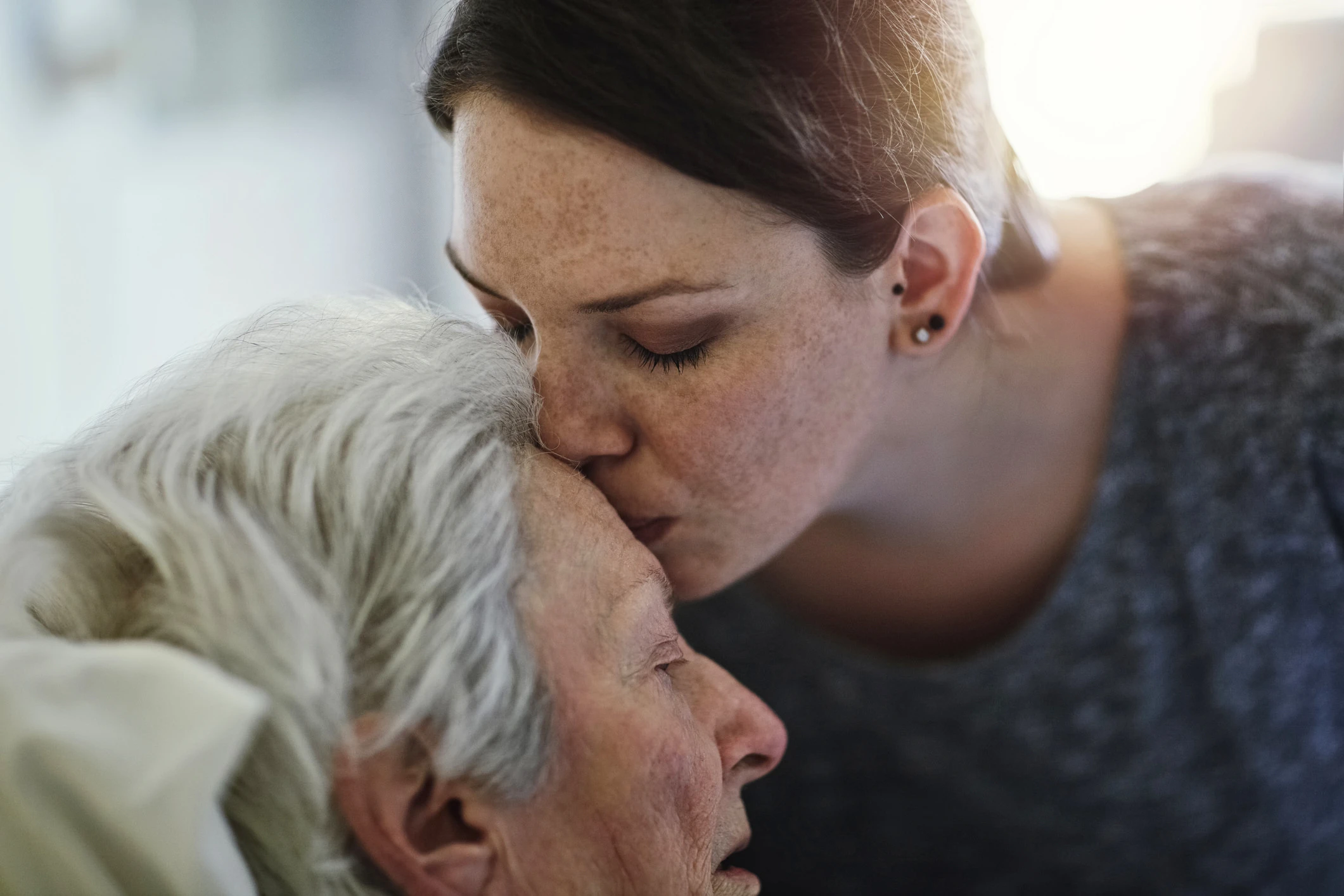
Warning Signs of Nursing Home Neglect and Abuse in Florida
Nursing home neglect and abuse are serious issues affecting vulnerable elderly populations in Florida. When families trust nursing homes to care for their loved ones, they expect safety, dignity, and compassion. Unfortunately, this trust can sometimes be violated, leading to devastating consequences for residents. This comprehensive guide will help you understand nursing home neglect and abuse in Florida, recognize the warning signs, learn about the legal rights of residents, and take the necessary steps to report and seek legal help if needed.
What is Nursing Home Neglect and Abuse?
Definition and Types of Abuse
Nursing home neglect and abuse occur when caregivers fail to provide adequate care or intentionally harm residents, resulting in physical, emotional, or financial damage. The main types of nursing home abuse include:
- Physical Abuse: Hitting, pushing, restraining, or causing bodily harm.
- Emotional Abuse: Verbal insults, threats, intimidation, or isolation.
- Financial Exploitation: Unauthorized use of a resident’s funds or property.
- Neglect: Failing to provide necessary medical care, food, or hygiene.
- Sexual Abuse: Any non-consensual sexual contact or behavior.
Differences Between Neglect and Abuse
- Abuse is intentional harm, such as physical or emotional mistreatment.
- Neglect involves the failure to provide basic needs, often due to understaffing, lack of training, or caregiver burnout.
Understanding these distinctions is crucial for identifying and addressing elder mistreatment effectively.
Signs of Nursing Home Neglect and Abuse
Physical Signs of Abuse and Neglect
Physical abuse can leave visible marks, while neglect can lead to severe health issues. Watch for:
- Unexplained Injuries: Bruises, cuts, fractures, or burns without a clear explanation.
- Bedsores and Pressure Ulcers: Often caused by prolonged immobilization and inadequate care.
- Malnutrition and Dehydration: Indicated by sudden weight loss, dry skin, and weakness.
- Poor Hygiene: Dirty clothing, unwashed hair, and unpleasant body odors.
Emotional and Psychological Abuse Indicators
Emotional abuse can be subtle but equally harmful. Look for:
- Depression and Anxiety: Sudden mood swings, withdrawal, or fearfulness.
- Changes in Behavior: Unusual aggression, irritability, or avoidance of caregivers.
- Loss of Interest in Activities: A decline in social interaction or hobbies.
Financial Exploitation Warning Signs
Elderly residents are often targeted for financial exploitation. Be cautious if you notice:
- Unusual Bank Transactions: Withdrawals or transfers that the resident cannot explain.
- Missing Personal Belongings: Valuables such as jewelry, cash, or documents.
- Changes in Financial Documents: Unexplained changes to wills, power of attorney, or property deeds.
Unexplained Injuries and Medical Issues
- Frequent Hospital Visits: Recurrent injuries or health problems without logical explanations.
- Untreated Medical Conditions: Lack of medication, untreated infections, or worsening health issues.
- Sedation or Overmedication: Unusual drowsiness or lethargy due to unnecessary medication.
If you notice any of these warning signs, it’s crucial to investigate further and take appropriate action.
Legal Rights of Nursing Home Residents in Florida
Florida Nursing Home Laws and Regulations
Florida has strict laws to protect nursing home residents from neglect and abuse, including:
- Florida Statute 400: Regulates nursing homes, ensuring residents’ safety and well-being.
- Resident Bill of Rights: Guarantees the right to privacy, dignity, and protection from abuse.
- Mandatory Reporting Laws: Require caregivers and healthcare professionals to report suspected abuse.
Resident Rights Under Florida Law
Florida nursing home residents have specific rights, including:
- Right to Safe and Humane Care: Protection from neglect, abuse, and exploitation.
- Right to Participate in Decisions: Involvement in their care plan and medical decisions.
- Right to Privacy and Dignity: Confidentiality in personal matters and respectful treatment.
- Right to Voice Grievances: The ability to file complaints without fear of retaliation.
Role of the Florida Department of Elder Affairs
The Florida Department of Elder Affairs oversees elder care services and ensures nursing homes comply with state regulations. They:
- Investigate complaints about neglect and abuse.
- Conduct inspections to maintain safety and quality standards.
- Provide resources for elder care and legal support.
Understanding these legal rights empowers families to advocate for their loved ones and ensures they receive appropriate care and respect.
Reporting Nursing Home Abuse in Florida
How to Report Nursing Home Abuse
If you suspect nursing home neglect or abuse in Florida, take the following steps:
- Document Evidence: Record dates, times, and details of incidents, including photos of injuries or poor living conditions.
- Report to Facility Management: Inform the nursing home’s management or administrator about your concerns.
- Contact Authorities: Report abuse to:
- Florida Department of Elder Affairs: Call the Elder Abuse Hotline at 1-800-96-ABUSE (1-800-962-2873).
- Adult Protective Services (APS): Investigates allegations of elder abuse and neglect.
- Local Law Enforcement: If the abuse is severe or involves criminal activity.
Agencies Handling Elder Abuse Complaints in Florida
- Florida Agency for Health Care Administration (AHCA): Regulates and inspects nursing homes.
- Florida Long-Term Care Ombudsman Program: Advocates for residents’ rights and investigates complaints.
- Adult Protective Services (APS): Provides protective services and legal intervention if necessary.
Florida Nursing Home Neglect Reporting Process
- File a Complaint: Contact AHCA or the Long-Term Care Ombudsman.
- Investigation: Authorities will investigate the complaint.
- Legal Action: If abuse is confirmed, legal action may be taken against the facility or caregivers.
Legal Actions and Help for Victims of Nursing Home Abuse
Legal Help for Nursing Home Abuse in Florida
Victims of nursing home abuse or neglect can seek legal assistance for:
- Compensation for Damages: Including medical expenses, pain, and suffering.
- Justice and Accountability: Holding negligent caregivers and facilities accountable.
- Prevention of Future Abuse: Ensuring other residents are protected.
Florida Elder Abuse Attorneys
Hiring an experienced Florida elder abuse attorney can help:
- Navigate complex legal processes.
- Gather evidence and build a strong case.
- Negotiate settlements or represent you in court.
Filing Nursing Home Negligence Lawsuits in Florida
To file a lawsuit:
- Consult an Attorney: Get legal advice and case evaluation.
- Gather Evidence: Documentation of abuse, medical records, and witness statements.
- File a Complaint: Initiate legal proceedings against the nursing home or caregiver.
- Court Process: Attend hearings, mediations, and trials as necessary.
How to Choose a Safe Nursing Home in Florida
What to Look for in a Nursing Home
- Staffing Levels and Qualifications: Ensure adequate staff-to-resident ratios.
- Cleanliness and Safety: Observe cleanliness and safety protocols.
- Resident Interactions: Watch how staff treats and interacts with residents.
Checking Safety Violations and Complaints
- Florida Agency for Health Care Administration (AHCA): Check inspection reports and complaints.
- Online Reviews and Testimonials: Research experiences shared by other families.
Questions to Ask Nursing Home Administrators
- What are your staffing ratios and qualifications?
- How do you handle medical emergencies?
- What safety measures are in place to prevent abuse and neglect?
Frequently Asked Questions (FAQ)
What are the common signs of nursing home neglect in Florida?
Common signs of nursing home neglect include unexplained injuries such as bruises, cuts, or fractures, poor hygiene, bedsores, malnutrition, dehydration, and sudden weight loss. Emotional signs may include depression, anxiety, withdrawal, or fear of caregivers. Financial exploitation can be indicated by unusual bank transactions, missing personal belongings, or unexplained changes in financial documents. It is essential to remain vigilant and report any signs of neglect to the appropriate authorities.
How can I report nursing home abuse in Florida?
In Florida, you can report nursing home abuse by contacting the Florida Department of Elder Affairs’ Elder Abuse Hotline at 1-800-96-ABUSE (1-800-962-2873). You can also file a complaint with the Florida Agency for Health Care Administration (AHCA) or contact the Florida Long-Term Care Ombudsman Program. If you suspect immediate danger, contact local law enforcement.
Can I sue a nursing home for neglect or abuse in Florida?
Yes, you can sue a nursing home for neglect or abuse in Florida. Filing a lawsuit can help recover compensation for medical expenses, pain and suffering, and other damages. It also holds the nursing home accountable for its actions, potentially preventing future abuse. Consulting with an experienced Florida elder abuse attorney is recommended to navigate the legal process and build a strong case.
What legal rights do nursing home residents have in Florida?
Nursing home residents in Florida have the right to safe and humane care, protection from neglect and abuse, privacy and dignity, and involvement in their care plan. They also have the right to voice grievances without fear of retaliation and access to personal funds. These rights are protected under Florida Statute 400 and the Resident Bill of Rights.
Who can help me with a nursing home abuse lawsuit in Florida?
A Florida elder abuse attorney specializing in nursing home neglect and abuse cases can help you with a lawsuit. They can guide you through the legal process, gather evidence, negotiate settlements, and represent you in court. It is essential to choose an attorney experienced in elder law and familiar with Florida’s nursing home regulations.
Contact Rafferty Domnick Cunningham & Yaffa Today
Nursing home neglect and abuse in Florida are serious concerns that demand attention and action. By understanding the warning signs, legal rights, and reporting processes, you can protect your loved ones and ensure they receive the care and dignity they deserve.
If you suspect nursing home neglect or abuse, don’t hesitate to take action. Contact Rafferty Domnick Cunningham & Yaffa today to discuss your legal options and pursue justice. Your vigilance and advocacy can make a difference in the lives of vulnerable residents.