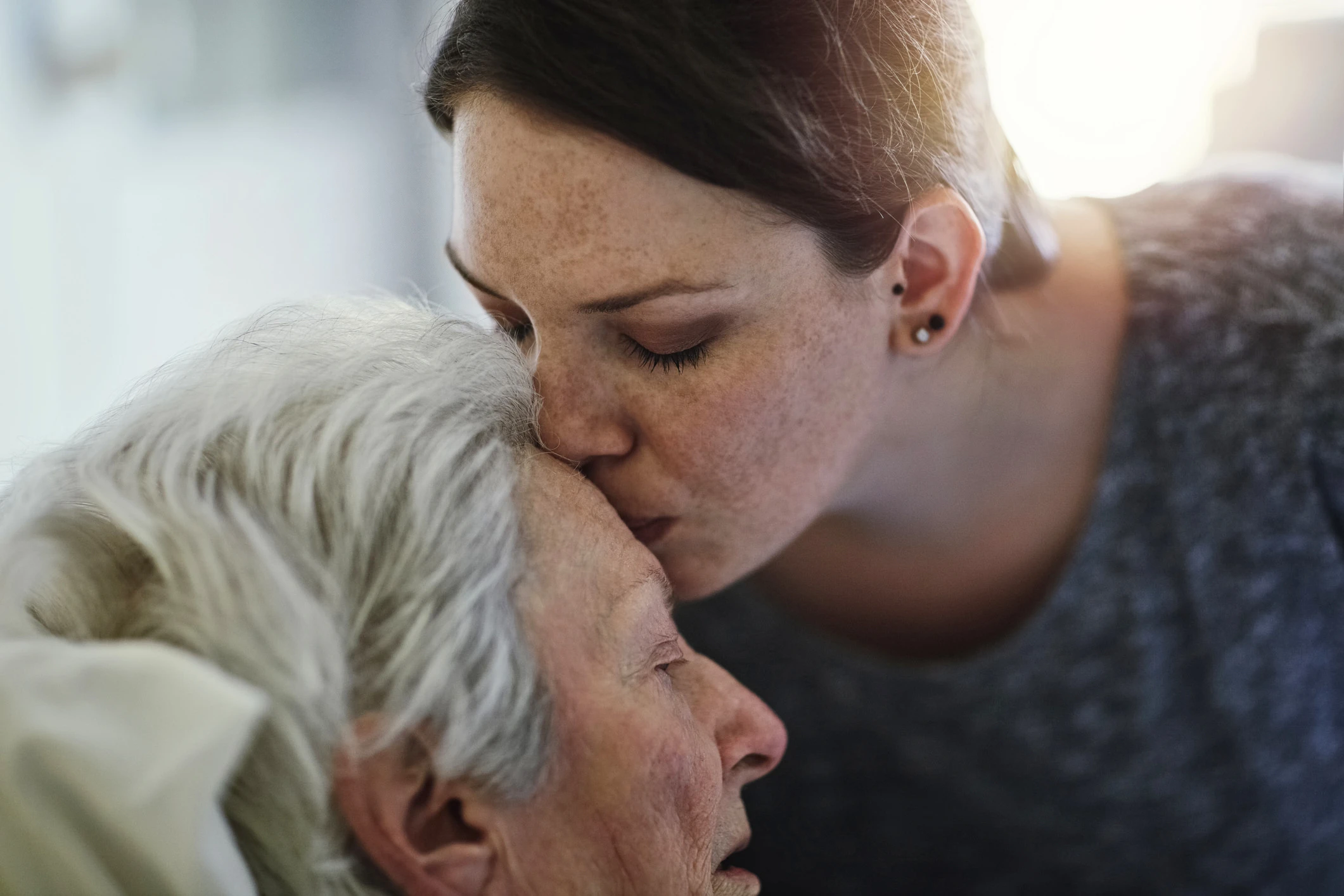


Florida Nursing Home Wrongful Death Lawyer
Florida Nursing Home Wrongful Death Claims
Making the decision to place a loved one in a nursing home is often one of the most difficult choices a family will ever make. Families trust these facilities to provide care, supervision, and protection for residents who can no longer care for themselves.
When that trust is broken and a preventable death occurs, the consequences can be devastating.
Many nursing home wrongful death cases begin with problems that should have been recognized and addressed long before a resident died. An untreated infection. A worsening pressure ulcer. Dehydration. A delayed transfer to a hospital. A failure to recognize the warning signs of sepsis.
In many cases, the death itself is not the first failure. It is the final outcome of a series of preventable failures that occurred over days, weeks, or even months.
At Rafferty Domnick Cunningham & Yaffa, we help families throughout Florida investigate nursing home deaths and pursue accountability when neglect, abuse, or substandard care contributed to the loss of a loved one.
What Is a Nursing Home Wrongful Death Case?
Under Florida law, a wrongful death occurs when a person dies because of the wrongful act, negligence, default, or breach of contract of another party.
In the nursing home setting, wrongful death claims often arise from:
- Untreated infections
- Sepsis
- Bedsores and pressure ulcers
- Falls
- Medication errors
- Dehydration
- Malnutrition
- Elopement incidents
- Physical abuse
- Failure to provide necessary medical care
One of the most common pathways involves infection and sepsis.
A resident develops a preventable condition. Staff fail to recognize worsening symptoms. Medical intervention is delayed. The infection spreads. Sepsis develops. The resident dies.
The legal question is not simply why the resident died.
The question is whether the death could have been prevented had the nursing home provided appropriate care.
Understanding Florida’s Wrongful Death Act
Florida’s Wrongful Death Act, found in Sections 768.16 through 768.26 of the Florida Statutes, governs claims arising from fatal injuries caused by negligence or misconduct.
The law allows certain surviving family members to recover damages when a loved one’s death was caused by conduct that would have entitled the person to bring a personal injury claim had they survived.
Generally speaking:
- The personal representative of the estate brings the claim.
- Damages may be recovered on behalf of both the estate and surviving family members.
- Eligible survivors may include spouses, children, parents, and, in some circumstances, other relatives who depended on the deceased for support or services.
Wrongful death cases involving nursing homes follow these same legal principles, but often require extensive investigation into medical records, staffing records, inspection reports, and facility policies.
When Sepsis Becomes Wrongful Death
Sepsis is one of the most dangerous medical emergencies facing nursing home residents.
It occurs when the body’s response to an infection begins damaging its own tissues and organs. Once sepsis progresses, the risk of organ failure, septic shock, and death increases dramatically.
Families are often shocked to learn how quickly this process can unfold.
What may begin as a urinary tract infection, respiratory infection, infected pressure ulcer, or surgical wound can escalate into a life-threatening emergency within hours.
In many wrongful death investigations, families discover that warning signs were present long before the resident was transferred to a hospital.
Common examples include:
- Persistent fever
- Changes in mental status
- Increasing confusion
- Low blood pressure
- Elevated heart rate
- Abnormal laboratory results
- Signs of worsening wound infection
- Delayed physician notification
When these warning signs are missed or ignored, the opportunity to intervene may disappear.
Not every sepsis death is preventable.
Many are.
Determining which category a particular case falls into is often the central issue in a wrongful death investigation.
Injured and Have Questions?
Call us or request a case review by our experts.
Common Causes of Nursing Home Wrongful Death
Sepsis and Serious Infections
Sepsis has become one of the leading reasons nursing home residents require emergency hospitalization.
Residents are especially vulnerable because of advanced age, chronic illness, compromised immune systems, and mobility limitations.
Common sources of infection include:
- Urinary tract infections
- Pneumonia
- Infected pressure ulcers
- Surgical wounds
- Catheter-related infections
- Bloodstream infections
When facilities fail to recognize or respond appropriately to these conditions, the consequences can be fatal.
Bedsores and Pressure Ulcers
Advanced pressure ulcers are among the most preventable causes of serious injury in long-term care settings.
A Stage 3 or Stage 4 pressure ulcer can create a direct pathway for bacteria to enter the body.
What begins as a wound may ultimately become an infection, bloodstream infection, sepsis, and death.
Dehydration and Malnutrition
Residents who depend on caregivers for food and fluids can experience severe complications when facilities fail to provide adequate assistance.
Untreated dehydration may contribute to kidney failure, infection, confusion, falls, and other serious medical conditions.
Falls
Falls remain one of the leading causes of injury-related death among elderly nursing home residents.
Facilities are expected to assess fall risks, implement safety measures, and monitor residents appropriately.
Medication Errors
Improper medications, incorrect dosages, missed medications, and dangerous drug interactions can all result in catastrophic outcomes.
Two Different Types of Nursing Home Wrongful Death Cases
One of the most important legal distinctions in Florida nursing home litigation is understanding what caused the failure.
In many sepsis-related deaths, there may be two separate forms of negligence.
Facility Negligence
Some cases arise because the nursing home itself failed to provide adequate care.
Examples include:
- Chronic understaffing
- Failure to monitor residents
- Failure to follow care plans
- Delayed physician notification
- Failure to perform assessments
- Inadequate infection-control procedures
These claims often proceed under Florida’s Nursing Home Residents’ Rights framework.
Medical Negligence
Other cases involve failures by physicians, nurse practitioners, or other healthcare providers.
Examples include:
- Failure to diagnose sepsis
- Failure to order appropriate testing
- Delayed treatment
- Delayed transfer to a hospital
- Failure to administer antibiotics appropriately
These claims may involve Florida’s medical malpractice laws and different procedural requirements.
In many cases, both types of negligence are present.
Determining which legal framework applies requires a careful review of the facts and medical records.
Injured and Have Questions?
Call us or request a case review by our experts.
Proving Liability in a Nursing Home Wrongful Death Case
Successful wrongful death claims often depend on proving what happened before the resident died.
Evidence may include:
- Medical records
- Nursing notes
- Vital sign documentation
- Care plans
- Wound assessments
- Infection-control records
- Staffing schedules
- Physician communications
- Inspection reports
- Witness testimony
Federal nursing home regulations frequently become important as well.
Investigators may examine whether the facility complied with requirements involving:
- Freedom from neglect
- Quality of care
- Pressure ulcer prevention and treatment
- Infection prevention and control
A history of prior deficiencies may help establish patterns of neglect or systemic failures within a facility.
What Compensation Is Available?
Florida law permits various categories of damages in nursing home wrongful death cases.
Depending on the circumstances, compensation may include:
- Medical expenses
- Funeral expenses
- Loss of support and services
- Loss of companionship
- Mental pain and suffering
- Lost earnings and benefits
- Estate-related damages
The specific damages available depend on the relationship between the survivor and the deceased, as well as the facts of the case.
How Long Do Families Have to File a Claim?
In most situations, Florida wrongful death claims must be filed within two years of the date of death.
However, certain circumstances can affect the applicable deadlines.
Because nursing home cases often involve extensive investigation and document collection, families should seek legal advice as soon as possible after a death occurs.
Waiting too long can make important evidence more difficult to obtain.
Injured and Have Questions?
Call us or request a case review by our experts.
Frequently Asked Questions
If my loved one died from sepsis in a nursing home, do I have a wrongful death claim?
Possibly. If negligence contributed to the infection, delayed treatment, failure to recognize sepsis, or other preventable failures, a wrongful death claim may exist.
What is the difference between a nursing home negligence claim and a medical malpractice claim?
Nursing home negligence claims generally focus on facility-level failures such as staffing, supervision, monitoring, and care systems. Medical malpractice claims focus on failures by healthcare providers to meet accepted medical standards.
Can an infected bedsore lead to a wrongful death lawsuit?
Yes. Infected pressure ulcers are one of the most common pathways leading to sepsis-related nursing home deaths.
What evidence is most important in these cases?
Medical records, nursing documentation, staffing records, physician communications, inspection reports, and witness testimony are often critical.
Can a nursing home be liable if a resident was elderly or already ill?
Yes. Nursing homes remain responsible for providing appropriate care regardless of a resident’s age or underlying health conditions.
Who files the wrongful death lawsuit?
Florida law generally requires the personal representative of the deceased person’s estate to bring the claim on behalf of survivors and the estate.
What damages can surviving family members recover?
Depending on the circumstances, damages may include loss of support, loss of companionship, mental pain and suffering, medical expenses, and funeral expenses.
Contact Rafferty Domnick Cunningham & Yaffa
Many families learn only after a loved one’s death that warning signs had been present for days or weeks before the fatal event occurred.
A preventable death deserves answers.
If your loved one died in a Florida nursing home and you believe neglect, abuse, infection, sepsis, or inadequate medical care may have played a role, Rafferty Domnick Cunningham & Yaffa can help you understand your rights and legal options.
Contact us today for a free consultation.