
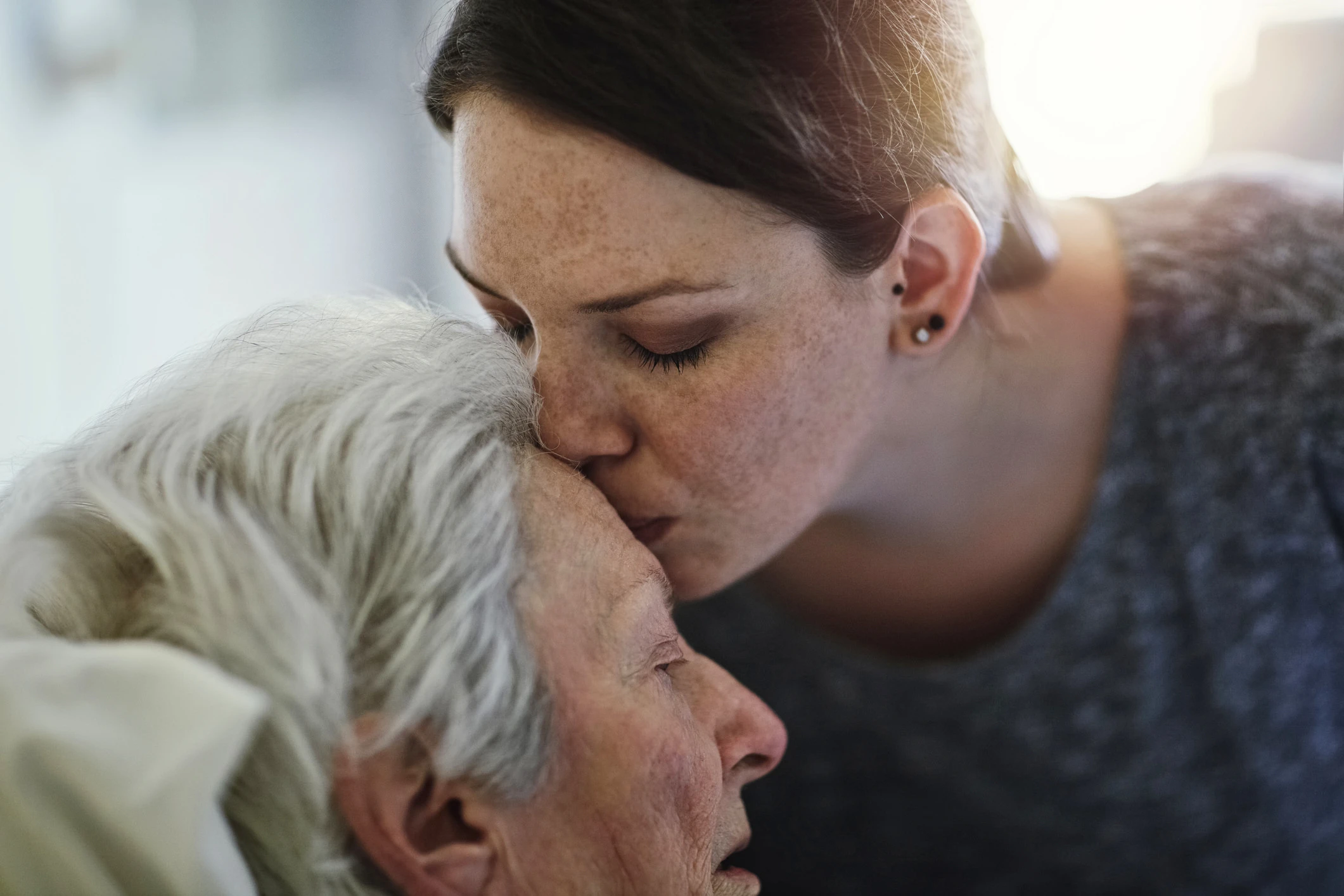
Florida Nursing Home Abuse Damages
Family members place their elderly loved ones in nursing facilities with the expectation of high-quality care. When negligence or abuse occurs it can feel like an extreme violation of trust. Someone who has experienced abuse or believes a family member has been abused may benefit from learning about Florida nursing home abuse damages. A dedicated nursing home abuse lawyer could review the factors surrounding a person’s case and work to hold negligent or abusive parties accountable for their actions. Call today and arrange for an appointment to start reviewing your legal options.
Economic vs. Non-Economic Damages in a Nursing Home Abuse Case
Economic damages may include past and future medical expenses, funeral expenses, expenses for future care and treatment for the abused person, and past and future lost wages. They are generally easier to calculate because they are solid numbers.
Non-economic damages are typically damages for pain and suffering, loss of capacity for enjoyment of life, loss of companionship of a loved one, and the loss of support and services of a loved one. Those things are hard to put a number or value on. Money does not automatically heal a person’s physical and mental wounds, but may help someone move forward.
How is the cost of future care worked out?
When an injury will require years of care, a life-care plan maps the care the resident may need, how often it may be needed, and what it is expected to cost. The plan takes the resident’s injuries, age, and circumstances into account. It gives the family a way to show the future medical expenses behind a damages request, supported by a record of expected needs rather than a broad estimate. Records of current treatment, expected follow-up care, and changes in the resident’s day-to-day needs can help an expert build a plan that reflects this person’s circumstances.
Injured and Have Questions?
Call us or request a case review by our experts.
When can a Florida nursing home be made to pay punitive damages?
A Florida nursing home can be made to pay punitive damages only after a judge allows the claim and the family proves intentional misconduct or gross negligence by clear and convincing evidence. These damages are meant to punish conduct beyond ordinary negligence.
Before the family can add a punitive damages claim, the judge holds a hearing. Under § 400.0237, the judge considers admissible evidence from both sides and decides whether there is a reasonable basis to believe the family can meet the standard at trial. Discovery of the facility’s financial worth cannot begin until the judge approves the punitive damages pleading. Permission to make the claim does not mean punitive damages will be awarded.
Gross negligence means conduct so reckless or lacking in care that it shows a conscious disregard or indifference to people’s life, safety, or rights. If the claim seeks to hold a nursing home company responsible for an employee’s conduct, that conduct must meet the punitive damages standard. An officer, director, or manager of the actual employer, corporation, or legal entity must also have condoned, ratified, or consented to the specific conduct. In practice, a worker’s conduct alone is not enough to make the company pay punitive damages; the evidence must reach someone in management who approved it or went along with it.
What limits apply to punitive damages?
The usual cap is three times the compensatory damages or $1 million, whichever is greater, under § 400.0238(1). If the conduct was motivated primarily by unreasonable financial gain and policy-makers actually knew how dangerous it was, the cap is four times compensatory damages or $4 million, whichever is greater. If the facility specifically intended to harm the resident and did, there is no cap. The evidence about why the conduct occurred and what decision-makers knew matters to which limit applies.
What can a family recover if the resident died?
If the resident died because of the alleged negligence or rights violation, § 400.023(1)(b) requires the family to choose between survival damages and wrongful-death damages after the verdict and before judgment, not when they first call. Survival damages are a second route the law allows; a lawyer can compare the two when the time comes.
If the family chooses wrongful-death damages, § 768.21 describes losses that may be recovered. Survivors may seek the value of lost support and services, including future losses. A surviving spouse may also seek damages for lost companionship and protection, and for mental pain and suffering. The law describes damages for eligible children’s lost parental companionship, instruction, and guidance, and for mental pain and suffering. A lawyer can assess, family by family, which children’s claims may apply.
A survivor who paid medical or funeral expenses related to the injury or death may seek those costs. The estate may seek earnings lost between injury and death and, where applicable, what the estate would likely have saved. If you are sorting through the losses, start with our nursing home wrongful-death page and our guide to filing a wrongful-death claim against a Florida nursing home.
Does it matter whether the claim is for negligence or a violation of residents’ rights?
Both are brought through the single cause of action in § 400.023(1), and the damages categories above may apply to either. What matters is the harm to the resident and the evidence connecting it to the nursing home’s conduct. Our page on establishing liability explains how that question is evaluated. If you are also trying to plan around a possible resolution, see our page on the length of the settlement process. Bring the resident’s records and your questions to our firm so we can assess what may be recoverable.
Contact a Knowledgeable Attorney About Nursing Home Abuse Damages in Florida
With a variety of potential Florida nursing home abuse damages that may be applicable to your case, it may be important to seek quality legal counsel. If you suspect that a loved one has experienced severe neglect or abuse while living in a nursing home facility contact a steadfast nursing home abuse lawyer. They could help you fight for justice and fiercely advocate on your loved one’s behalf. Neglect and abuse in care facilities is unacceptable. Take action and call an attorney to schedule an appointment today.



