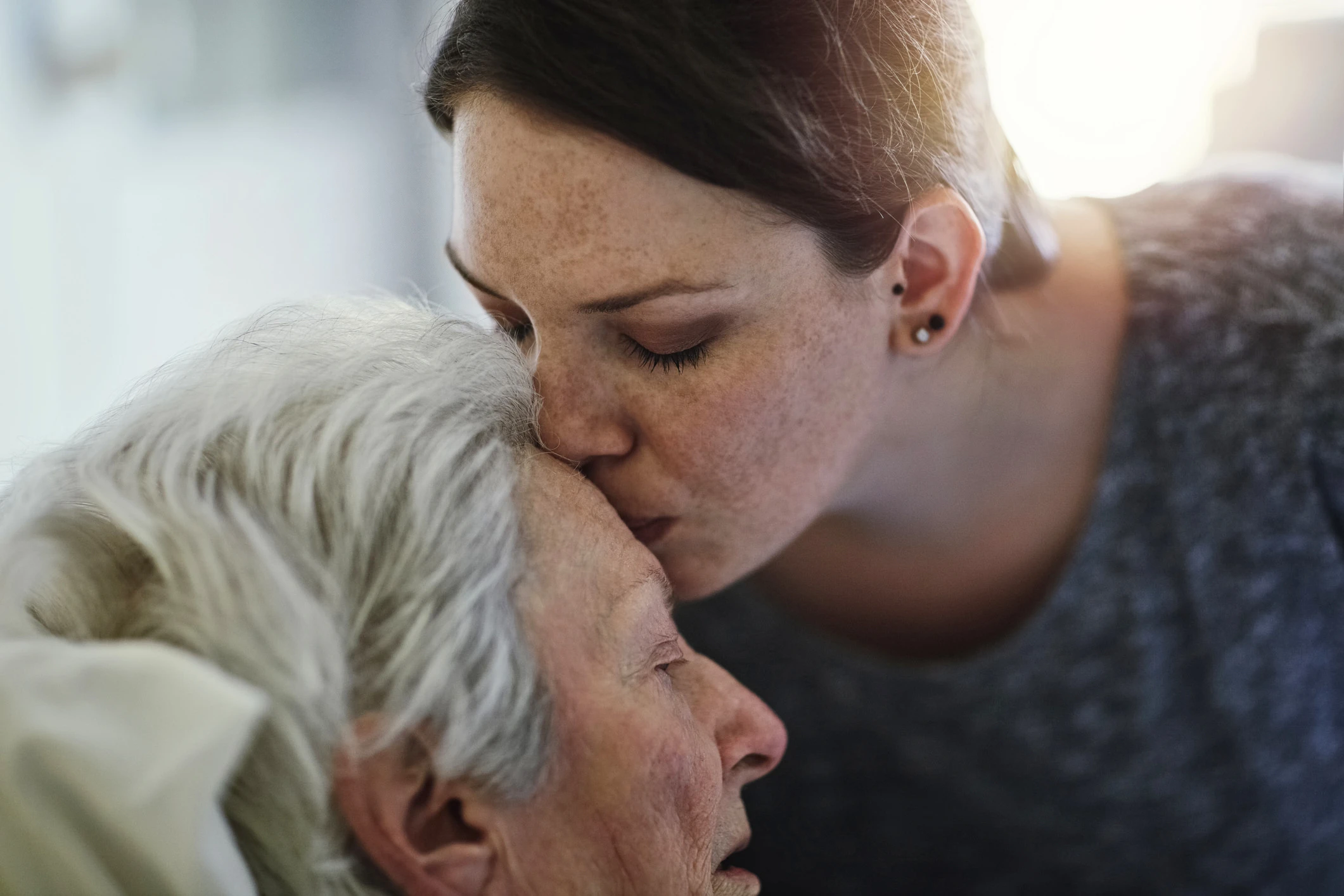
Florida Nursing Home Hip Fractures
Hip fractures are a major health concern for elderly residents in nursing homes, especially in states like Florida, where a large portion of the population is over 65. These injuries can lead to long-term disability, decreased quality of life, and, in many cases, premature death. Given the high stakes, families, caregivers, and nursing home administrators must work together to prevent such accidents and provide the best possible care for seniors. This article will explore the risks associated with hip fractures in Florida nursing homes, strategies for accident prevention, and options for rehabilitation and legal recourse.
Understanding the Risks of Hip Fractures in Elderly Residents
Elderly individuals are at an increased risk for falls and subsequent hip fractures due to a combination of health-related factors and environmental hazards in nursing homes. Falls are one of the leading causes of serious injury in seniors, and in many cases, they result in debilitating hip fractures that can severely impact an individual’s mobility and independence.
Common Causes of Falls in Nursing Homes
Several factors contribute to falls in nursing homes, including:
Inadequate Supervision
Many nursing homes face staff shortages, which directly impact their ability to properly supervise residents. This lack of oversight is particularly dangerous for high-risk residents who may have mobility issues or cognitive impairments, making them more prone to falls. Without sufficient staff available to monitor or assist these individuals, the risk of accidents increases significantly.
Cluttered Environments
A cluttered environment, such as hallways filled with equipment, personal belongings, or improperly stored items, poses a serious risk to residents. Unsecured rugs, loose cables, and other objects can easily become tripping hazards. Poor housekeeping and a lack of attention to detail in maintaining a clear, organized space can contribute to preventable falls.
Slippery Floors
Slippery floors are a common hazard in nursing homes, especially when spills are left uncleaned or floors are mopped without proper signage. Areas that lack non-slip flooring, particularly in bathrooms or dining rooms, are especially dangerous for elderly residents. These floors create a high risk for falls, especially for those with poor balance or mobility issues.
Improper Footwear
Improper or poorly fitted footwear, such as loose slippers or shoes with worn-out soles, can significantly increase the likelihood of falls. Residents wearing shoes without proper support may struggle to maintain balance, especially when walking on smooth or wet surfaces. Ensuring that residents wear appropriate, well-fitted shoes is crucial for fall prevention.
Age-Related Factors Contributing to Hip Fractures
The elderly face additional risks because of age-related health issues:
- Osteoporosis: A common condition in seniors, osteoporosis weakens bones, making them more susceptible to fractures from even minor falls.
- Balance and gait disorders: Many elderly individuals suffer from balance issues or have difficulty walking due to muscle weakness or joint problems.
- Cognitive impairments: Dementia and other cognitive issues may lead to poor judgment, making falls more likely.
Injured and Have Questions?
Call us or request a case review by our experts.

Nursing Home Accident Prevention Strategies
To effectively reduce the risk of hip fractures in nursing homes, facilities must implement comprehensive accident prevention strategies. These include both training for staff and modifications to the environment that can help prevent falls.
Staff Training and Fall Prevention Programs
Nursing home staff play a crucial role in preventing accidents. Regular staff training on fall prevention, mobility assistance, and monitoring high-risk residents can significantly reduce the risk of accidents. A well-trained team is essential for ensuring that each resident’s needs are met and that fall risks are minimized. Key elements of an effective fall prevention program include:
- Conducting regular fall risk assessments for all residents.
- Educating staff on best practices for transferring and assisting residents.
- Monitoring residents with a history of falls or other risk factors closely.
Environmental Modifications to Reduce Fall Risks
The physical environment of a nursing home can have a significant impact on fall prevention. Facilities can implement several modifications to make the environment safer for residents:
- Non-slip flooring: Installing non-slip surfaces in high-traffic areas, such as hallways, bathrooms, and dining areas, reduces the risk of slipping.
- Handrails: Adding handrails in hallways and bathrooms provides residents with support and stability.
- Proper lighting: Ensuring adequate lighting in all areas, especially at night, helps residents avoid potential hazards.
- Clear pathways: Keeping hallways and common areas free from clutter minimizes tripping risks.
Rehabilitation and Recovery for Hip Fractures in Florida Seniors
When hip fractures do occur, rehabilitation is crucial for the recovery and long-term mobility of elderly patients. Florida is home to numerous rehabilitation centers that specialize in helping seniors recover from fall-related injuries, with a focus on physical therapy and pain management.
Best Rehabilitation Programs in Florida
Top rehabilitation facilities in Florida, such as Florida Rehabilitation Center for Seniors and Geriatric Care Associates, provide specialized care designed to restore mobility and reduce pain after a hip fracture. These programs typically include:
- Physical therapy: Exercises aimed at rebuilding strength, improving balance, and restoring mobility in the affected leg and hip.
- Occupational therapy: Helps seniors regain the ability to perform daily tasks, such as dressing, bathing, and walking.
- Pain management: Pain relief strategies, including medication and physical techniques like massage, help patients manage discomfort during the recovery process.
Key Steps in Post-Fall Recovery for Seniors
Recovery from a hip fracture is often a lengthy process that requires patience and consistent care. The key steps in recovery include:
Immediate post-surgery care
Most hip fractures require surgical intervention. After surgery, patients will need to be closely monitored for complications, such as infections or blood clots.
Physical rehabilitation
Regular physical therapy sessions are crucial for regaining mobility. Therapists work with patients to gradually increase their strength and balance.
Home modifications
After discharge from the rehabilitation center, the patient’s home may need to be modified to accommodate their mobility limitations. This could include installing grab bars, removing trip hazards, and rearranging furniture for easier access.
Injured and Have Questions?
Call us or request a case review by our experts.
Legal Considerations: Nursing Home Liability in Florida
Unfortunately, not all nursing homes provide the level of care necessary to prevent falls and injuries. In some cases, nursing homes may be held liable for negligence if a resident suffers a hip fracture due to inadequate supervision, unsafe conditions, or other preventable factors.
Understanding Nursing Home Negligence and Fall Liability
Nursing homes have a legal responsibility to ensure the safety and well-being of their residents. When a facility fails to meet this duty—whether through inadequate staffing, poor maintenance, or lack of fall prevention protocols—they may be held liable for any resulting injuries. Examples of negligence include:
- Failing to properly assess residents for fall risks.
- Neglecting to implement safety measures, such as handrails or non-slip flooring.
- Failing to provide adequate supervision or assistance to high-risk residents.
Legal Options for Families After a Nursing Home Fall
If a loved one has suffered a hip fracture due to a nursing home’s negligence, families have several legal options. A lawsuit can be filed to seek compensation for medical expenses, pain and suffering, and other damages resulting from the injury. Working with an experienced nursing home abuse attorney specializing in Florida nursing home hip fractures is crucial for navigating the complex legal landscape and ensuring that justice is served.
What Families Can Do to Protect Their Loved Ones
Families play a vital role in ensuring the safety of their loved ones in nursing homes. Being proactive and informed about the facility’s fall prevention policies can help prevent accidents.
Questions to Ask Nursing Homes About Fall Prevention
When choosing a nursing home or checking on a current facility, families should ask the following questions to ensure that fall prevention measures are in place:
- What fall prevention strategies are currently in place?
- How often are staff members trained on fall prevention protocols?
- Are fall risk assessments conducted regularly for all residents?
- What environmental modifications, such as non-slip flooring or handrails, have been implemented to reduce the risk of falls?
Recognizing the Warning Signs of Nursing Home Negligence
Families should also be aware of the warning signs that may indicate negligence or inadequate care. These signs include:
- Unexplained bruises or injuries on the resident.
- Staff reluctance to answer questions about safety protocols or care.
- Poorly maintained facilities, such as slippery floors or poorly lit areas.
- High resident-to-staff ratios, leading to inadequate supervision.

Frequently Asked Questions About Nursing Home Hip Fractures in Florida
What steps can nursing homes take to prevent hip fractures among elderly residents?
Nursing homes can implement several measures to prevent hip fractures, including comprehensive fall prevention programs, regular staff training, and environmental modifications like non-slip flooring and handrails. Additionally, conducting frequent fall risk assessments and ensuring residents wear appropriate footwear can significantly reduce the chances of accidents.
What legal options do families have if a loved one suffers a hip fracture in a nursing home due to negligence?
If a hip fracture occurs due to negligence, such as inadequate supervision or unsafe conditions, families may have grounds for a legal claim against the nursing home. Consulting with an experienced nursing home abuse attorney can help you pursue compensation for medical expenses, pain and suffering, and any ongoing care required as a result of the injury.
How long does it take for seniors to recover from a hip fracture in a nursing home setting?
Recovery from a hip fracture in elderly residents can vary, typically taking several months. The rehabilitation process often involves physical therapy, pain management, and ongoing medical monitoring to ensure mobility is restored. The length of recovery depends on the individual’s overall health, the severity of the fracture, and the quality of rehabilitation services provided.
Contact Rafferty Domnick Cunningham & Yaffa if You Suspect Negligence
If you believe that your loved one has suffered a hip fracture or other injury due to nursing home negligence, it’s important to take action. Consulting with an experienced attorney can help you understand your legal rights and options. Nursing home residents deserve to live in a safe environment, and when that safety is compromised, legal action may be necessary to hold the responsible parties accountable.
Don’t wait — contact Rafferty Domnick Cunningham & Yaffa today to discuss your case and explore your options for seeking justice and compensation for your loved one’s injuries.