
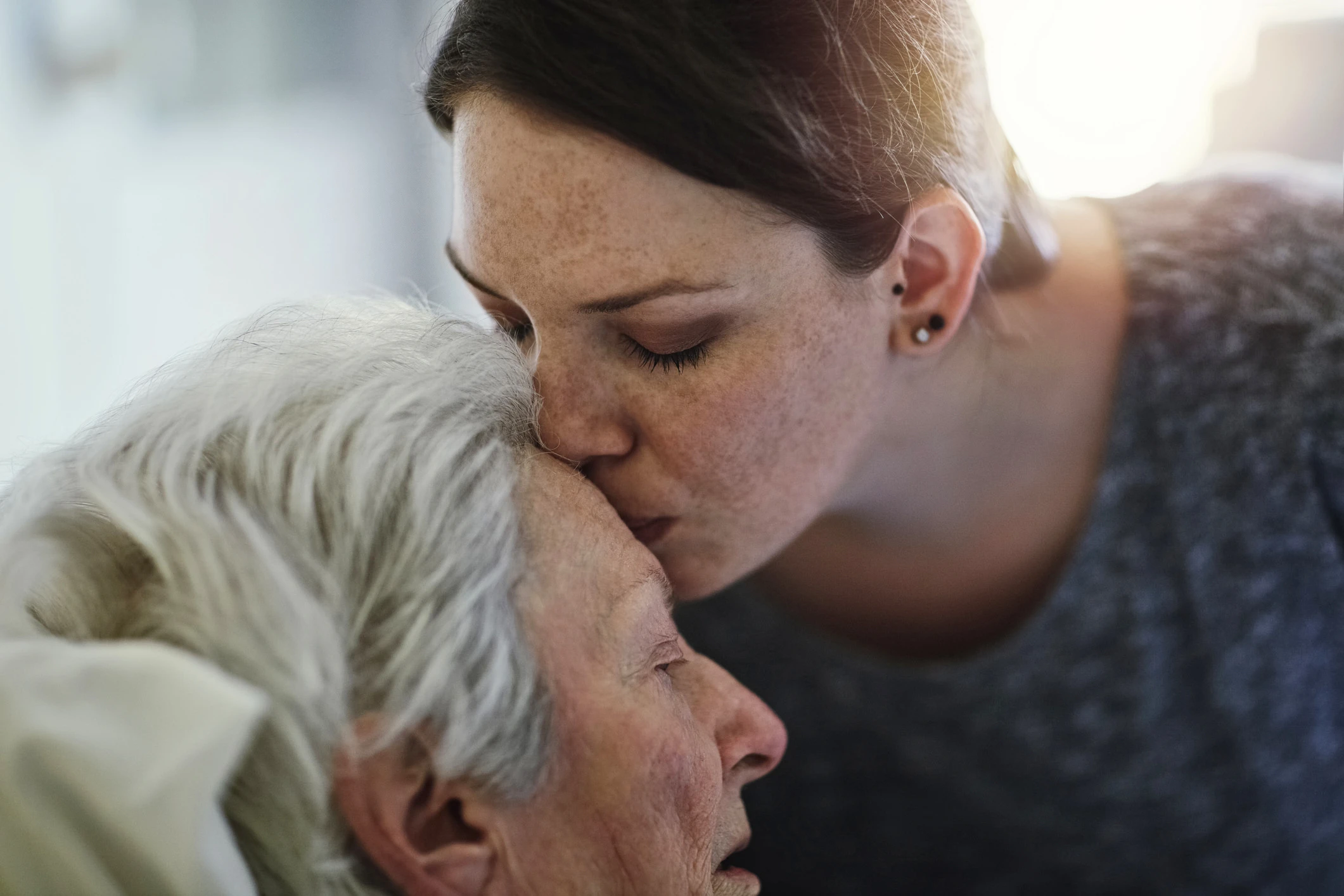
Settling a Nursing Home Abuse Case in Florida
Aging Americans and their families seek nursing homes as places of care, respite, and protection. Residents are usually old, ill, or disabled and select these homes to help them with their medical conditions and other needs such as bathing, washing clothes, and meal preparation.
Unfortunately, abuse and neglect occur within the walls of many nursing homes in Florida and across the country. If someone you love is impacted by nursing home abuse or neglect, it may be time to contact an attorney who can help with settling a nursing home abuse case in Florida. Reach out to a dedicated nursing home abuse lawyer today and set up a consultation.
Nursing Home Residents Supported by Florida Law
As a way to provide justice for victims of nursing home abuse, Florida Statutes §400.023 gives nursing home residents or their family members the right to file a lawsuit. It explains that if nursing home abuse or neglect occurs, it is a violation of the rights of nursing home residents. Nursing home residents, or their family members on their behalf, may have legal recourse for the infringement of these rights.
Have Questions About Nursing Home Abuse?
Call us or request a case review by our experts.

The Ways a Nursing Home Abuse Case Could End
Nursing home lawsuits could have many different outcomes, and the most important factors that can affect results is the strength of the case and the qualifications of legal counsel.
Dismissing the Lawsuit
Nursing home abuse lawsuits may be dismissed by the plaintiff or by the judge. If the plaintiff no longer found a reason to pursue their claim or a judge found that the case was filed after the statute of limitations or did not have merit based on other reasons, the lawsuit could be dismissed.
Private Settlement
Settling a Florida nursing home abuse case is a common way to resolve a legal claim, and attorneys for both the plaintiff and the defendant can negotiate a settlement at any point before the trial. In many cases, settling can help resolve the matter quickly and be less risky for both sides. Other benefits of settling include:
- Decreased litigation expenses for both sides
- The plaintiff and their family not going through a potentially emotional trial
- The defendants possibly preserving their reputation
What should a family weigh before accepting an offer?
Weigh what a jury might hear, the cost of continuing to trial, and what the resident will need after the case ends. Every case has weaknesses. Ask your lawyer to name yours plainly, including the facts the nursing home may dispute and the evidence a jury might find difficult. You should hear about the evidence that helps your family, too. A useful conversation covers both, so you can judge an offer against the risk of going further.
Ask what has been learned through pretrial investigations and what remains uncertain. What witnesses or records could change the picture? What might a trial ask of your parent and your family? Legal expenses may grow as the case continues. Time matters as well; our guide to the length of the settlement process explains some of the steps that can affect it.
Then look past the amount offered. Ask which unpaid medical bills or liens may have to be paid from a settlement, what the resident may actually receive, and whether that would help meet future care needs. Your lawyer can explain the tradeoffs and give a recommendation. The resident, or family members making the decision for them, should choose whether to accept the offer.
What does signing a settlement mean?
Signing a settlement generally means accepting payment in exchange for a release that ends claims against the parties it covers. Before signing, ask your lawyer to walk you through the release itself, not just the offer amount. Which claims are being released? Does it cover only the nursing home, or other people or companies as well? Ask about any wording you do not understand and get a clear explanation of what happens once the agreement is signed. Your family should know what it is agreeing to give up before making a final decision.
Court Trial
If settling a nursing home abuse lawsuit in Florida is not successful, the case may proceed to trial in front of a judge or a jury. To deliver a verdict in favor of the plaintiff, an injury attorney must show that the defendants breached their duty of care and that the plaintiff sustained injuries and damages as a result of that breach of duty—otherwise known as showing proximate cause.
What happens at a nursing home abuse trial?
Your family’s side generally goes first and carries the burden of proving the claim. If a jury will hear the case, the process begins with jury selection, where potential jurors are asked questions about whether they can consider the evidence fairly. The lawyers then give opening statements. Your lawyer presents witnesses and records about your parent’s care and the harm you say occurred. The defense has a chance to question those witnesses and present its own account through witnesses and other evidence.
After the testimony, each side makes a closing argument. The plaintiff’s side goes first, the defense responds, and the plaintiff may offer a rebuttal. The judge or jury then weighs what it heard. A trial may put painful details of your parent’s care in front of strangers, and the defense may challenge parts of your account. Ask your lawyer beforehand which facts are likely to be contested, who may need to testify, and what the days in court could ask of your family. If you are thinking about what may happen after a verdict, our page on appeals covers that stage.
Can punitive damages be sought at trial?
Punitive damages can be sought only after a judge allows the claim; our damages guide discusses the types of recovery a family may consider.
What if my parent signed an arbitration agreement?
An arbitration agreement in a nursing home admission packet may send a dispute to an arbitrator instead of a jury. Many admission packets include one, sometimes among forms signed while a family is arranging care. Finding a signature is a reason to examine the agreement, not a reason to assume the question is settled. Whether it is valid and binding depends on the document and the circumstances, and it can often be challenged.
Bring the complete admission packet to your lawyer. Point out what you remember about who signed, when the forms were presented, and whether anyone explained the arbitration language. Your lawyer can review the document and discuss what it may mean for this claim. Our article on nursing home arbitration clauses offers more background.
What should you bring to a first meeting with a lawyer?
Bring whatever you have about your parent’s care; you do not need a complete file to start the conversation. Gather medical records and facility records in your possession, the admission paperwork, and any arbitration agreement. Add the nursing home’s brochures or advertising, photographs, and your notes about what you saw or were told. Write down important dates while they are fresh, including when your parent entered the nursing home and when you first noticed a problem. If a document is missing, tell the lawyer what it is. Our nursing home abuse litigation guide can help you see where these materials may fit.
Get Help with Settling a Nursing Home Abuse Lawsuit in Florida
Nursing home abuse cases are often highly sensitive cases with large amounts of compensation at stake. You do not want to risk handling the case or even a settlement by yourself. Instead, you should seek the legal knowledge and experience of an attorney who has handled these cases before.
If you need assistance with settling a nursing home abuse case in Florida or any other portion of the legal process, an experienced attorney could work on your behalf and help you pursue compensation for you or your family member. However, the law only provides you with a set amount of time to act. With this in mind, be sure to schedule a consultation as soon as conveniently possible.
How Could Nursing Home Abuse Affect Your Legal Options?
Call us or request a case review by our experts.
Professional Recognition


Recognition applies to the named attorneys and selection years. See the linked profiles for details.
NOTABLE RESULTS
Published RDCY outcomes, with broader practice results identified separately:
$31,000,000 catastrophic-injury result · $1,760,000 nursing-home arbitration award
Read more about these results
RDCY’s published results list a $31,000,000 catastrophic-injury outcome in Ft. Lauderdale. This is a broader catastrophic-injury result, not an outcome for this exact case type. Source: RDCY’s published results.
The firm’s Nicole Kruegel announcement reports a $1,760,000 nursing-home arbitration award. Firm source.
Prior results do not guarantee a similar outcome. Each case is different and must be evaluated on its own facts.
GOOGLE REVIEWS
General feedback from individual five-star Google reviews:
“I reached out to a childhood friend who is a highly respected attorney and he immediately suggested Rafferty, Dominick, Cunningham, and Yaffa.”
— Jimmy Paley
Read Jimmy Paley’s Google review
“The team is professional, compassionate, and incredibly skilled at what they do.”
— Marina Bradley
Related Practice Resources
Need Help With a Case Involving Nursing Home Abuse?
Call us or request a case review by our experts.


