
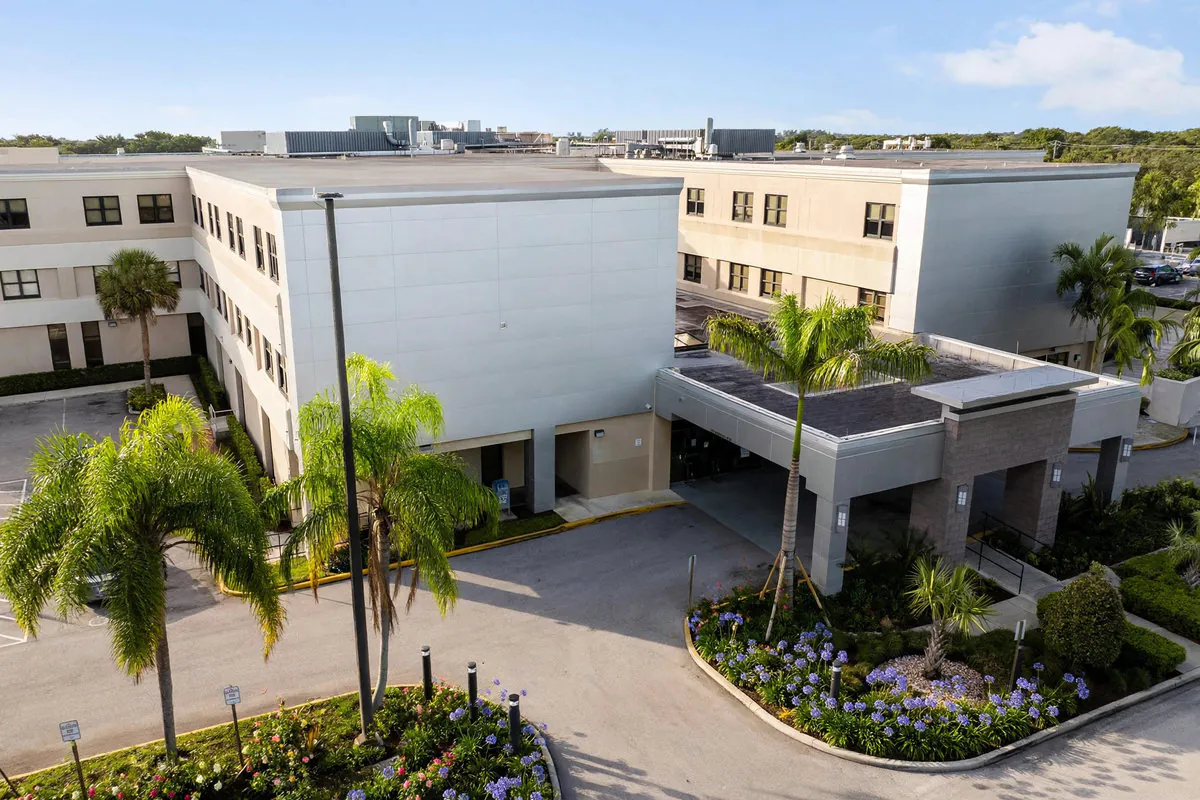
Palm Beach Gardens FL Medical Malpractice Lawyer
Palm Beach Gardens is the largest Palm Beach County city without its own dedicated medical malpractice page until now — a city of about 59,182 residents whose hospital care is anchored by Palm Beach Gardens Medical Center and a dense corridor of specialty practices, surgical centers, imaging groups and physician offices along PGA Boulevard and Military Trail. When care in that corridor goes wrong — a surgery that injures instead of heals, a heart symptom sent home from an emergency department, a test result nobody followed up on — the legal question is the same one Florida law asks everywhere: did the provider fall below the standard of care, and did that failure cause the harm?
This page explains how medical malpractice claims work for Palm Beach Gardens patients and families: where local care is delivered, what Florida’s presuit process requires before any lawsuit can be filed, which deadlines apply, and how Rafferty Domnick Cunningham & Yaffa (RDCY) investigates a case. It is part of our Palm Beach County medical malpractice practice, which sits under our statewide Florida medical malpractice work. Palm Beach Gardens cases are filed in the Fifteenth Judicial Circuit at the Palm Beach County Courthouse in West Palm Beach.
A poor outcome alone is not malpractice, and an honest complication is not negligence. But when records show that warning signs were missed, results were not communicated, or a procedure was performed carelessly, Florida law gives the patient — or, after a death, the family — a structured way to pursue accountability. The first step is a careful, expert-supported review of the records, and that review is governed by strict timelines.
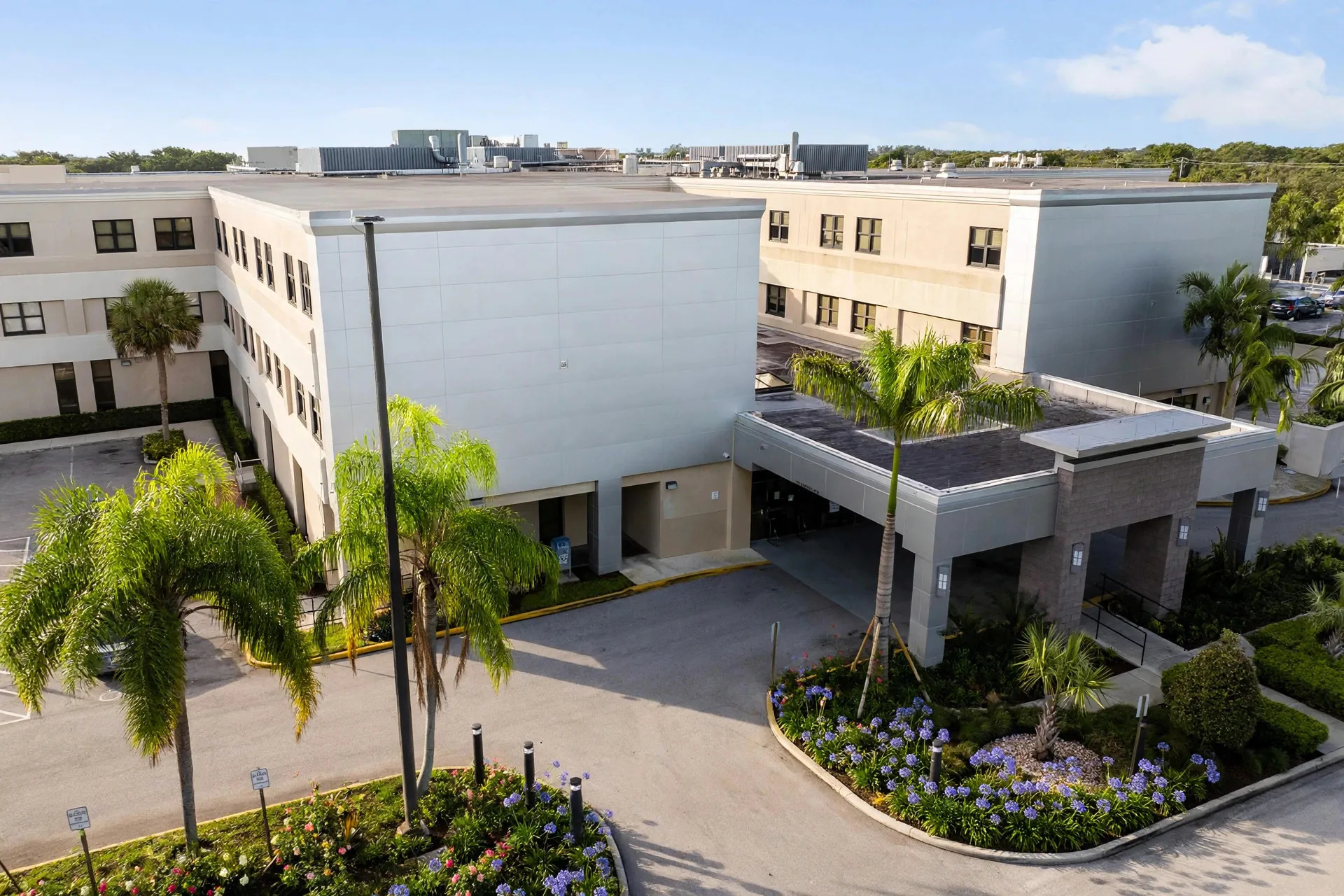
Were You or a Loved One Harmed by Medical Negligence in Palm Beach Gardens?
Call us or request a case review by our experts.

Medical Care in Palm Beach Gardens: Where Treatment Happens
Palm Beach Gardens Medical Center is the city’s anchor hospital, and much of the care that later becomes the subject of a malpractice review happens in and around it: emergency care, cardiac and surgical services, inpatient stays, and the specialist referrals that follow. Around the hospital sits a second layer of care — outpatient surgery centers, diagnostic imaging, cardiology and orthopedic groups, urgent care clinics and primary care practices spread across the city’s master-planned communities, from PGA National to Everglades Isle and the neighborhoods along Northlake Boulevard.
That spread matters in a legal review. A single episode of harm can involve an emergency physician employed by one group, a hospital-employed nurse, an independent surgeon, and an imaging company that read the scan — each with its own records, its own insurer, and its own account of what happened. Identifying every provider in the chain, and obtaining complete records from each one, is the foundation of a Palm Beach Gardens malpractice investigation.
Gardens residents also receive care just beyond the city line — in Jupiter, North Palm Beach and West Palm Beach — and a claim can involve providers in several cities at once. County, not city, lines control where the case is filed: Palm Beach County cases proceed in the Fifteenth Judicial Circuit regardless of which community the treatment occurred in.
The Errors Palm Beach Gardens Patients Ask Us About
The concerns that bring Palm Beach Gardens families to a malpractice lawyer tend to follow the care delivered here. Surgical errors — operating on the wrong site, injuring a nerve or organ, leaving a patient with a preventable post-operative infection — arise from the city’s busy surgical practices. Cardiac events are another recurring theme in a city with an older, active population: chest pain attributed to reflux, an abnormal stress test or EKG that was not acted on, or a discharge that came too soon after a cardiac procedure.
Diagnostic failures cut across every setting: imaging that showed a finding nobody relayed, lab results filed without follow-up, a cancer diagnosis delayed while a treatable window closed. Medication errors — the wrong drug, the wrong dose, a dangerous interaction between prescriptions from different providers — and failures to monitor a deteriorating patient round out the pattern. Not every one of these situations is malpractice. Each one turns on what the records show a reasonably careful provider would have done with the same information at the same time.
Florida’s Presuit Process: What Must Happen Before a Palm Beach Gardens Lawsuit
Florida does not allow a medical malpractice plaintiff to simply file suit. Chapter 766 requires a presuit investigation first: before notice is given, the claim must be investigated and corroborated by a qualified medical expert who has reviewed the records and concluded there are reasonable grounds to believe the care was negligent and caused injury. That corroboration requirement, in §766.203, is the gate every Palm Beach Gardens claim must pass through.
Once corroborated, a notice of intent to initiate litigation is sent to each prospective defendant under §766.106. The notice starts a presuit period — 90 days — during which the provider and its insurer investigate, the parties exchange information, and the claim can be settled, rejected, or sent toward an admission of liability and arbitration on damages. The statute of limitations is tolled while that process runs, which is one reason the timing of the notice matters as much as its content.
Presuit is not a formality, and it is not a hurdle designed to discourage valid claims. It is where the case is actually built: complete records gathered, the expert’s analysis tested against them, and each provider’s role separated from the others. A Palm Beach Gardens claim that arrives at presuit with an incomplete chart or an expert matched to the wrong specialty stalls there. One built carefully puts the family in the strongest position Florida law allows, whether the case resolves in presuit or proceeds to a filed lawsuit in the Fifteenth Judicial Circuit.
How Long Do You Have? The Two-Year Rule and the Four-Year Cap
Section 95.11(4) sets the clock for a Palm Beach Gardens malpractice claim, and it runs on two tracks. Track one is the statute of limitations: generally two years from when the incident is discovered, or should have been discovered through due diligence. Track two is the statute of repose: generally four years from the date of the incident itself, after which a claim is barred even if the negligence was only just uncovered — subject only to the limited exceptions written into the statute.
Families most often misjudge the first track. Discovery does not necessarily mean the day of the bad outcome; it can mean the day the family learned facts suggesting the outcome was caused by negligent care — and providers and insurers argue for the earliest date the evidence supports. Because chapter 766 requires expert corroboration before notice, and notice before suit, the investigation itself must fit inside the same two years. A case that begins its record-gathering in month twenty has already lost ground it cannot recover.
RDCY’s first task in any Palm Beach Gardens review is therefore calendrical: fix the treatment dates, the discovery facts and the repose date, and build the investigation plan backwards from the earliest plausible deadline. That discipline protects valid claims from the one defense that does not care how negligent the care was — the calendar.
How Could Medical Malpractice Affect Your Legal Options?
Call us or request a case review by our experts.
Protecting a Palm Beach Gardens Claim in Its First Weeks
The weeks after a suspected medical error decide more than families expect. Three protections matter most. First, care: get the follow-up treatment the condition needs, both because health comes first and because the new provider’s records document the injury as it actually presents. Second, evidence: keep every document the episode produced — discharge and transfer papers, medication lists as actually taken, portal and phone-message records, bills, work records — and add your own dated account of symptoms, calls and what you were told.
Third, time. Florida’s framework spends a claimant’s two years quickly: records must be requested from each provider separately — hospital care connected with Palm Beach Gardens Medical Center included — a qualified expert must review them and corroborate the claim under §766.203, and presuit notice must be served, all inside §95.11(4)’s limitations period and its four-year repose. None of that can be compressed at the end. An early review with RDCY — reachable at (561) 516-5168 — fixes those dates at the outset and sequences the investigation so a valid Palm Beach Gardens claim is not lost to the calendar.
Getting Complete Records From Gardens Providers
Florida patients have the right to obtain their medical records, and a malpractice review begins with assembling all of them — not just the hospital chart. For care at Palm Beach Gardens Medical Center, that means emergency department records, operative and anesthesia reports, nursing notes, medication administration records, imaging with the radiologist’s interpretation, and discharge instructions. Care from independent practices — the surgeon, the cardiologist, the imaging group — lives in separate systems and must be requested separately.
Gaps in the record are themselves informative. A symptom documented by a nurse but absent from the physician’s note, a result that posted after discharge with no documented follow-up, a consent form that does not match the procedure performed — these are the details an expert review is built on. Families can help by keeping their own file: discharge paperwork, prescription bottles, patient-portal messages, bills and a simple timeline of symptoms and calls. That material, combined with the complete chart, gives the reviewing expert what Florida’s presuit process requires.
What a Palm Beach Gardens Malpractice Claim Can Address
A malpractice claim seeks compensation for the losses the negligence actually caused. In a Palm Beach Gardens case those losses typically begin with the medical consequences: the additional treatment, surgery, hospitalization and rehabilitation made necessary by the error, and the future care the injury will require. They extend to lost income and diminished earning capacity when the injury changes what the patient can do, and to the human losses Florida law recognizes — pain, suffering, disability, disfigurement, and the loss of the capacity to enjoy life.
When negligent care causes a death, the claim changes form: Florida’s wrongful death framework governs who may recover and for what, and the malpractice presuit requirements still apply. Those cases demand particular care at intake, because the proper parties and the deadline analysis differ from a surviving patient’s claim.
Florida law does not impose a general cap on compensatory damages in medical malpractice cases, and this page makes no promise about what any case is worth — value is a function of the injury, the proof and the defenses, established case by case. What can be said is procedural: damages must be documented, not asserted. Treatment courses, work records, and the day-to-day effect of the injury — the activities of daily living the patient has lost — are the evidence from which a damages claim is built, and gathering that evidence is part of the investigation from its first weeks.
Why Palm Beach Gardens Families Bring These Cases to RDCY
RDCY is a trial firm, headquartered in Palm Beach County, that concentrates on medical malpractice and catastrophic injury. For a Palm Beach Gardens family, that concentration matters in specific ways: the firm works within chapter 766’s presuit system every day, maintains the expert relationships that corroboration requires across specialties, and tries cases in the Fifteenth Judicial Circuit, where Palm Beach County malpractice suits are heard.
The investigation itself is methodical. The firm fixes the §95.11(4) deadlines before anything else; obtains the complete record — hospital, office, imaging, pharmacy — including the care surrounding Palm Beach Gardens Medical Center; puts the records before a qualified expert in the relevant field; and pursues presuit and, if necessary, suit on the strength of what that process establishes. Where the evidence does not support a claim, the family hears that too, plainly and early.
To begin, call (561) 516-5168 and ask for a review of the care in question. Gather what you have — discharge summaries, portal printouts, bills, your own timeline — but do not wait to assemble a perfect file before calling; the deadlines described on this page make the first call the urgent step. This page provides general information only and is not legal advice.
Palm Beach Gardens patients should also know that a claim is not a complaint about a hospital’s manner or a refund demand for a disappointing result. It is a legal process with a defined burden: records, expert corroboration, presuit notice, and proof that a departure from the standard of care caused a specific injury. That burden is demanding by design, and it is also what gives a well-investigated Gardens claim its force when it is presented to an insurer or a jury. Families who suspect negligence connected with Palm Beach Gardens Medical Center or any Gardens practice do best by treating the first weeks as evidence weeks — preserving documents, fixing dates, and getting the chart in front of a qualified reviewer — rather than waiting for the provider’s own account of what happened to settle the question.
Related Medical Malpractice Pages
Medical malpractice help across Palm Beach County:
- Palm Beach County
- West Palm Beach
- Boca Raton
- Boynton Beach
- Delray Beach
- Wellington
- Jupiter
- Palm Beach Gardens
- Lake Worth Beach
- Greenacres
- Royal Palm Beach
- Riviera Beach
- Belle Glade
- Palm Springs
Professional Recognition


Recognition applies to the named attorneys and selection years. See the linked profiles for details.
GOOGLE REVIEWS
General feedback from individual five-star Google reviews:
“He is true lawyer for the people displaying great enthusiasm, professionalism and compassion.”
— Jeff
“Can not say thank you enough!”
— PJ
Palm Beach Gardens FL Medical Malpractice FAQs
Answers to common questions from Palm Beach Gardens patients and families about Florida medical malpractice claims. This is general information, not legal advice about a specific case.
I was treated at Palm Beach Gardens Medical Center — can I bring a malpractice claim for care connected with Palm Beach Gardens?
Yes, if the evidence supports one. A claim turns on the care itself, not the facility’s address: whether the provider met the standard of care, and whether a departure caused the injury.
The investigation obtains the complete records for the Palm Beach Gardens-area care, has them reviewed by a qualified expert in the relevant specialty, and proceeds through chapter 766 presuit if the expert corroborates negligence and causation.
Sources: Florida Statutes Chapter 766, Online Sunshine; AHCA Florida HealthFinder Facility Search
Where would a Palm Beach Gardens medical malpractice lawsuit be filed?
In the Fifteenth Judicial Circuit, at the Palm Beach County Courthouse in West Palm Beach. Palm Beach Gardens is in Palm Beach County, and county — not city — boundaries determine the circuit.
Before any filing, though, Florida requires the chapter 766 presuit process: expert corroboration, notice of intent to each prospective defendant, and a 90-day presuit period.
Sources: Florida Statutes Chapter 766, Online Sunshine; Florida Statutes §95.11, Online Sunshine
How do I get my medical records for care I received near Palm Beach Gardens?
Florida patients are entitled to obtain their own medical records. Request them from each provider separately — the hospital’s records office for hospital care such as care at Palm Beach Gardens Medical Center, and each physician practice, imaging center or clinic for its own chart — because no single request collects them all.
A malpractice review needs the complete set, including nursing notes, medication records, imaging interpretations and discharge papers.
Sources: CMS Provider Data; AHCA Florida HealthFinder Facility Search
How long do Palm Beach Gardens patients have to start a malpractice claim?
Generally two years from when the incident was discovered, or should have been discovered with due diligence, under §95.11(4) — and generally no more than four years from the incident itself under the statute of repose, subject to narrow statutory exceptions.
Because presuit investigation and expert review must happen before notice, and notice before suit, the practical deadline is earlier than the legal one. Have the dates in your case analyzed as soon as a concern arises.
Sources: Florida Statutes §95.11, Online Sunshine; Florida Statutes Chapter 766, Online Sunshine
My care started in Palm Beach Gardens but continued in other Palm Beach County cities. Does that hurt a claim?
No. County lines, not city lines, govern where the case proceeds, and multi-city care is common in Palm Beach County.
What matters is reconstructing the full course of care — every provider, every handoff, every result — and identifying which provider’s departure from the standard caused the harm. Presuit notice is served on each prospective defendant, wherever in the county they treated you.
Sources: Florida Statutes Chapter 766, Online Sunshine; AHCA Florida HealthFinder Facility Search
Does a bad medical outcome automatically mean medical malpractice?
No. Medicine carries risks even when care is competent, and a poor result alone proves nothing. A malpractice claim requires proof that the provider departed from the standard of care — what a reasonably careful provider in the same field would have done — and that the departure caused the injury.
That proof comes from the records and a qualified medical expert, which is why Florida requires expert corroboration before a claim can proceed.
Sources: Florida Statutes Chapter 766, Online Sunshine; AHCA Florida HealthFinder Facility Search
Can a claim involve more than one provider or facility?
Yes, and it commonly does. An episode of care can involve a hospital, an emergency physician group, a surgeon, an imaging provider and follow-up practices, each separately responsible for its own care.
The investigation identifies each provider’s role, and presuit notice must be served on each prospective defendant. Separating those roles precisely — rather than blaming everyone generally — is part of what the presuit investigation is for.
Sources: Florida Statutes Chapter 766, Online Sunshine; AHCA Florida HealthFinder Facility Search
What is the difference between a complication and negligence?
A complication is a known risk that materializes despite proper care; negligence is a departure from the standard of care.
The same event — an infection, a bleed, a nerve injury — can be either, depending on what the provider did to anticipate, prevent, recognize and respond to it. That is why the analysis always returns to the records and to expert review, rather than to the outcome alone.
Sources: Florida Statutes Chapter 766, Online Sunshine; AHCA Florida HealthFinder Facility Search
How are malpractice cases against hospitals different from cases against individual doctors?
Hospitals can be responsible for their own employees’ care and for their own systems — staffing, protocols, record-keeping and follow-up processes — while independent physicians and contracted groups answer for their own decisions.
Many physicians who treat patients in a hospital are not hospital employees. Identifying which entity is responsible for which act is a core part of the presuit investigation, and notice must reach each prospective defendant.
Sources: Florida Statutes Chapter 766, Online Sunshine; AHCA Florida HealthFinder Facility Search
Do I need a medical expert before I can pursue a Florida malpractice claim?
Yes. Florida’s presuit rules require that a claim be corroborated by a qualified medical expert who has reviewed the relevant records and verified reasonable grounds to believe the care was negligent and caused injury.
The expert must be qualified in the same or a similar specialty as the provider whose care is questioned. Without that corroboration, a presuit notice cannot properly be served.
Sources: Florida Statutes Chapter 766, Online Sunshine; AHCA Florida HealthFinder Facility Search
Related Articles
- How Florida’s Medical Malpractice Pre-Suit Investigation Works
- How Missed or Delayed Diagnoses Happen—and Why Differential Diagnosis Protocols Matter
- Suing for Medical Malpractice After Emergency Room Negligence
- When Seconds Count: The Devastating Consequences of Stroke Misdiagnosis
- Palm Beach County Comprehensive Stroke Centers
- Legal Requirements for Proving Duty of Care in Florida Medical Malpractice Cases
Need Help With a Case Involving Medical Malpractice?
Call us or request a case review by our experts.


