



Florida Birth Injury Lawyer
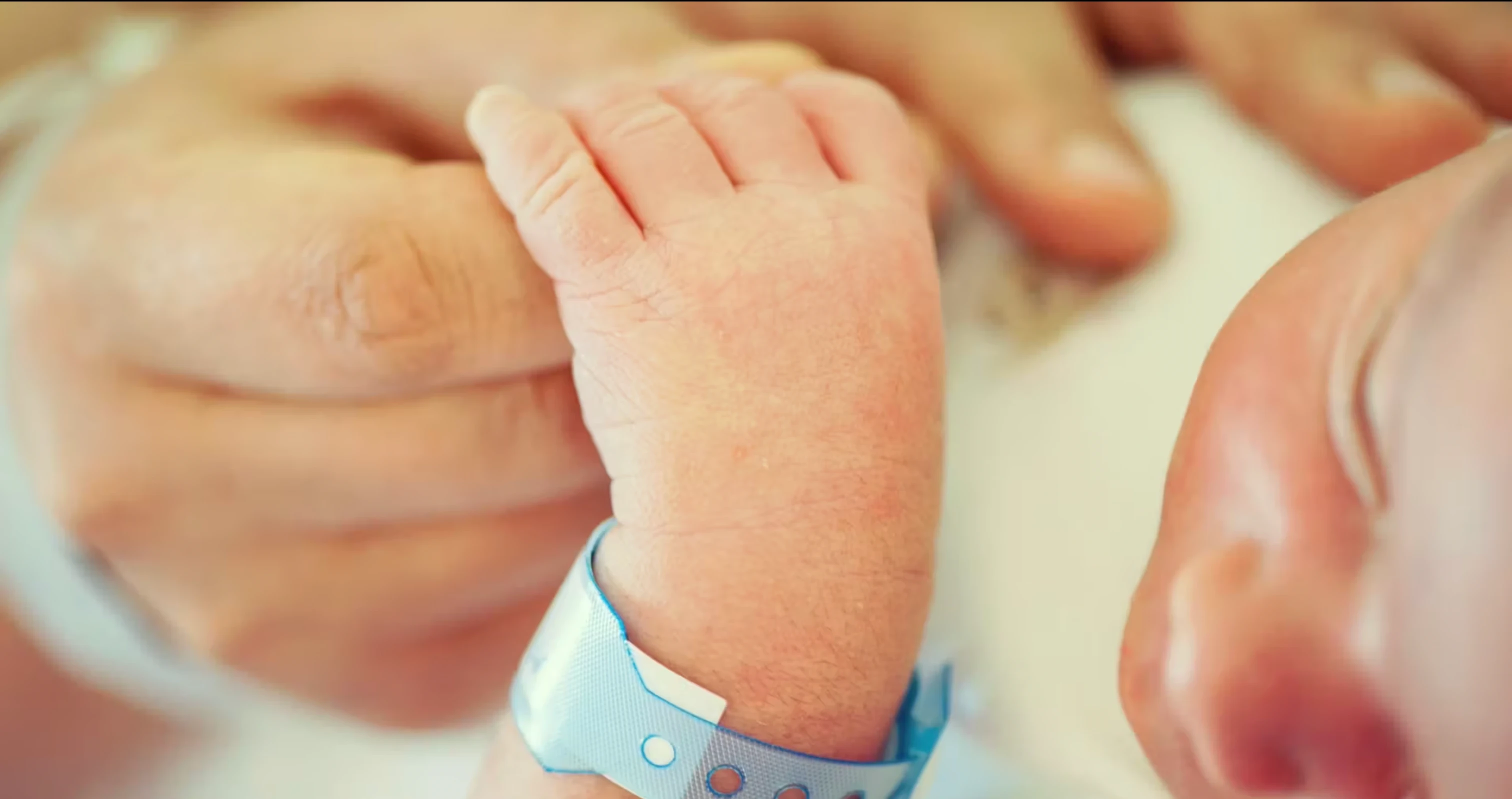
When your newborn needs unexpected treatment, you may be focused on the next appointment while trying to understand what happened during pregnancy or delivery. You can ask for help with those questions even if you do not yet have every medical record or a clear explanation of the injury.
At Rafferty Domnick Cunningham & Yaffa, we review birth-injury concerns with families, examine the care timeline and identify the medical evidence needed to assess a potential claim. We also explain which legal process may apply and what needs prompt attention while you care for your child.
Florida law allows families to file a lawsuit when a birth injury results from a medical provider’s failure to meet the standard of care during pregnancy, labor, or delivery. However, Florida’s NICA program (Neurological Injury Compensation Association) may affect your legal options depending on the type and severity of the injury.
Whether NICA applies or a civil malpractice claim is available requires an individual legal review. Florida medical-malpractice timing generally includes a two-year incident-or-discovery limitation and a four-year outer limit, with exceptions and presuit tolling rules. The young-child exception to certain outer limits is not a universal rule allowing every family to wait until the eighth birthday. We can review the care, relevant dates and potential claim route.
Sources: Florida limitation periods; Florida medical-malpractice presuit process.
You may have a claim if:
- Your child was diagnosed with cerebral palsy, Erb’s palsy, HIE, or another condition linked to delivery complications
- Medical records suggest a delayed C-section, improper use of forceps or vacuum, or failure to monitor fetal distress
- A healthcare provider failed to act on signs of oxygen deprivation during labor
- Your child requires ongoing therapy, surgery, or long-term adaptive care
Have Questions About Birth Injury?
Call us or request a case review by our experts.

What Are the Most Common Types of Birth Injuries?
Birth injuries often result from oxygen deprivation, trauma during delivery, or failure to respond to complications in time. Many are preventable when proper medical protocols are followed.
Can Medical Malpractice Cause Cerebral Palsy?
Cerebral palsy can have different causes, including abnormal brain development or injury to the developing brain. A diagnosis alone does not establish that labor or delivery care caused it. A potential malpractice claim requires qualified review of the care, the cause and timing of the injury, and whether a departure from the applicable standard contributed to the harm.
Sources: NINDS cerebral palsy information.
Sources: Florida medical-negligence standard and experts.
Cerebral palsy affects movement, coordination, and muscle control. In severe cases, it leads to lifelong disability requiring extensive medical care and therapy.
What Causes Erb’s Palsy and Brachial Plexus Injuries During Delivery?
Brachial plexus injuries can occur during birth and affect nerves serving the shoulder and arm. The diagnosis does not by itself establish excessive force or negligence. Delivery records and qualified medical review are needed to examine how the injury occurred and whether the response to the circumstances met accepted standards.
Sources: NINDS brachial plexus injury information.
Sources: Florida medical-negligence standard and experts.
The brachial plexus controls movement and sensation in the arm. Damage can result in weakness, loss of function, or permanent paralysis.
What Is HIE and How Does It Happen During Birth?
Hypoxic-ischemic encephalopathy (HIE) occurs when a baby’s brain is deprived of oxygen and blood flow during delivery.
It is often linked to delayed intervention, failure to monitor fetal distress, or mismanagement of complications. HIE can result in severe developmental and neurological impairments.
What Is Birth Asphyxia and When Is It Medical Malpractice?
Birth asphyxia refers to oxygen deprivation during birth. It may constitute malpractice when medical providers fail to act on clear warning signs.
Oxygen deprivation can have serious consequences, but the nature and extent of a child’s injury and future needs depend on the medical evidence. A poor outcome alone does not identify its cause or establish that different care would have prevented it.
Can Shoulder Dystocia Lead to a Birth Injury Lawsuit?
Yes. When shoulder dystocia is improperly managed, it can result in nerve damage, fractures, or long-term disability.
Proper training and timely intervention are critical. Failure to respond appropriately may establish liability.
How Do You Prove a Birth Injury Was Caused by Medical Malpractice?
A birth injury claim requires showing that a healthcare provider failed to meet the accepted standard of care and that this failure caused the injury.
We build these cases through detailed medical record review, expert analysis, and a structured legal framework:
- Duty of care
- Breach of that duty
- Causation
- Damages
These cases are complex and depend heavily on expert testimony and careful investigation.
How Could Birth Injury Affect Your Legal Options?
Call us or request a case review by our experts.
What Should You Do If You Suspect Your Child Has a Birth Injury?
You should act quickly to protect both your child’s health and your legal rights.
- Seek immediate medical evaluation
- Preserve all prenatal, delivery, and postnatal records
- Document symptoms and developmental concerns
- Consult an experienced birth injury attorney as early as possible
Early action can be critical, especially given Florida’s statutory deadlines.
Does Florida’s NICA Program Affect Your Birth Injury Claim?
NICA provides a no-fault compensation process for a limited category of birth-related neurological injuries defined by Florida statute. Eligibility depends on the injury and statutory circumstances, not simply on a serious diagnosis or a hospital’s recommendation. The definition, provider participation, notice and the applicable legal provisions must all be reviewed.
An administrative law judge determines the statutory compensability and notice issues. When the plan supplies the exclusive remedy, a civil malpractice claim may be restricted; the law also contains defined exceptions. A family should not be told that every birth injury falls within NICA or that every case outside the plan necessarily supports malpractice.
We can review the prenatal, delivery and newborn records, participation information and notice documents to identify the proper process. NICA has its own filing provision, separate from the malpractice limitation framework. The purpose is to explain the available route and its requirements, without promising that one route will produce a larger recovery.
Sources: Florida NICA definitions; Florida NICA remedy and exceptions; Florida NICA compensability determinations; Florida NICA claim limitation.
Contact Us Today
If your child has suffered a birth injury due to medical negligence, you need answers — and you need them quickly.
Our team has decades of experience handling complex birth injury cases across Florida. We understand both the medicine and the law, and we know how to build cases that stand up to hospitals, insurers, and defense teams.
Contact us today for a free, confidential consultation.
Professional Recognition
Our attorneys’ credentials, honors and professional service include:


Recognition applies to the named attorney and the stated year or period.
Related Practice Resources
Florida Birth Injury FAQs
These answers provide general information. The facts, dates and law governing an individual claim require a separate review.
Does every Florida birth injury belong in NICA?
No. NICA covers a limited category of birth-related neurological injury defined by Florida law, not every injury or difficult delivery. Eligibility requires review of the statutory definition and circumstances, including relevant provider participation and notice issues. A serious diagnosis alone does not establish that the plan applies.
An administrative law judge determines the statutory compensability issues. Where the plan provides an exclusive remedy, an ordinary malpractice action may be restricted, subject to the law’s exceptions. Families should have the actual records and participation information reviewed before choosing a route. Neither a hospital’s informal statement nor a page describing NICA can resolve an individual child’s eligibility.
Sources: Florida NICA definitions; Florida NICA remedy and exceptions; Florida NICA compensability determinations.
How is the NICA filing period different from a malpractice deadline?
NICA has its own limitation provision: Florida law bars a claim for compensation filed more than five years after the child’s birth. Medical-malpractice claims follow a different limitation and presuit framework. The existence of one process does not mean a family may safely ignore the timing rules for the other.
Bring the birth date, treatment history, diagnoses and any prior filing or notice documents to counsel promptly. NICA-related tolling and the proper sequence of proceedings can require careful analysis. Do not assume that a young-child exception in the malpractice statute gives every family until the eighth birthday, or that waiting to determine NICA eligibility automatically protects every possible civil claim.
Sources: Florida NICA claim limitation; Florida limitation periods; Florida NICA-related tolling.
Does cerebral palsy prove that delivery care caused a brain injury?
No. Cerebral palsy can result from abnormal brain development or damage to the developing brain, and a diagnosis does not identify a single cause in every child. Medical evidence must address the type, timing and possible causes of the condition. A legal claim also requires proof of a breach of the applicable standard of care.
A careful review may examine prenatal history, labor and delivery records, newborn examinations, imaging and later assessments. It should consider other explanations as well as the alleged failure. Families can seek answers without being promised that the diagnosis establishes negligence. The medical and legal questions are related, but neither should be answered by assumption.
Sources: NINDS cerebral palsy information; Florida medical-negligence standard and experts.
What if the child’s long-term needs are not clear yet?
A legal review can begin while the child continues treatment and evaluation. Deadlines and evidence preservation should not wait for a final prediction about adulthood. At the same time, future care estimates must be grounded in appropriate medical evidence and should distinguish likely needs from uncertain possibilities.
Keep follow-up records, therapy recommendations and information about daily care. If a settlement is considered, Florida’s safeguards for minors and the plan for protecting proceeds require attention. The family should understand how the available evidence supports the proposed resolution and what uncertainties remain. No general birth-injury settlement figure can replace an individualized assessment of the child’s circumstances.
Sources: Florida limitation periods; Florida minor and ward settlements; Florida civil jury instructions, negligence and compensatory damages.
Who can act for a child in a Florida birth injury claim?
A parent may act for a child in appropriate circumstances, but the authority to pursue or resolve the child’s claim must be checked under Florida law. The child’s rights are separate from any individual losses a parent may claim. Custody arrangements, guardianship issues and conflicts of interest can affect who should participate.
Bring any relevant custody or guardianship orders to the initial review. A proposed settlement may require court approval and other safeguards for the child’s funds; a parent should not assume that signing a private release completes every requirement. The child’s age does not itself eliminate filing deadlines, so representation and timing should be addressed together.
Sources: Florida natural guardians; Florida minor and ward settlements.
What is the deadline for a Florida birth injury malpractice claim?
Florida medical-malpractice timing generally includes a two-year limitation tied to the incident or its discovery, and a four-year outer limit, subject to statutory exceptions. The rules are technical, and special provisions can affect claims involving young children or concealment. A later diagnosis does not automatically restart every deadline.
The presuit process also has notice and tolling provisions that must be coordinated with the time remaining. Requesting records, sending a complaint or discussing settlement is not enough to assume the deadline is protected. Bring a chronology of treatment, symptoms, explanations received and when the possible problem became apparent. A lawyer can then assess the specific dates and procedural steps.
Sources: Florida limitation periods; Florida medical-malpractice presuit process.
Do I need an expert before filing a birth injury lawsuit?
Florida generally requires a reasonable presuit investigation and a verified written medical-expert opinion corroborating reasonable grounds for a medical-negligence claim. The expert must meet the applicable qualification requirements. A supportive note from a treating professional is not necessarily the opinion required by the statute.
The records for a birth injury claim should be organized before an opinion is sought, including information that may support another explanation for the outcome. The expert review addresses the standard of care and the claimed connection to injury. It is part of evaluating whether the case can proceed, rather than a formality that guarantees the claim will succeed.
Sources: Florida presuit investigation and expert opinion; Florida medical-negligence standard and experts.
Can I obtain records for a birth injury review?
You generally have a right to request your medical and billing information from covered providers, subject to HIPAA’s limits and exceptions. Florida also has specific provisions governing access to records for a medical-negligence presuit investigation. The correct requester and any necessary authorization depend on whose records are involved.
For birth injury, ask counsel which records are needed and identify every relevant facility and provider. Useful material may include prenatal, labor, delivery and newborn records, imaging and the treatment timeline. Keep a copy of requests and responses. A portal summary may omit detailed records needed for expert review, so it should not automatically be treated as the complete medical file. Requesting records does not alone preserve a lawsuit deadline.
Sources: HHS: health information individuals may access; Florida presuit medical-record access.
What losses may be considered in a birth injury malpractice case?
A supported claim may address medical expenses, work losses, future care needs and noneconomic harm allowed by law. Each category needs an evidentiary basis and a connection to the negligence alleged. The seriousness of the original illness must be distinguished from additional harm caused by a preventable failure in care.
Keep treatment bills, employment records and information about day-to-day limitations. Future care estimates should explain the medical need, expected duration and reasonable costs rather than simply total every possible service. Wrongful-death claims have a different statutory damages framework. Case results and settlement headlines involving other people do not establish the value of an individual claim.
Sources: Florida civil jury instructions, negligence and compensatory damages; Florida medical-negligence standard and experts.
What happens during the presuit stage of a birth injury case?
After the required investigation, Florida’s process generally calls for notice of intent to prospective defendants and a 90-day presuit investigation period before filing suit. The notice must follow statutory requirements, including permitted delivery and supporting materials. The parties may exchange information and evaluate settlement or other statutory responses during that period.
This is different from submitting a customer-service complaint to a hospital. The dates of delivery, the time remaining to sue and any extensions or tolling need careful calculation. A presuit review may reveal a supported claim, a defense or missing evidence. Its purpose is to evaluate the dispute before litigation, not to presume negligence or promise a settlement.
Sources: Florida medical-malpractice presuit process; Florida presuit investigation and expert opinion.
Need Help With a Case Involving Birth Injury?
Call us or request a case review by our experts.


