Legal Steps to Take If Your Child Was Injured During a C-Section
When your baby is injured during a Cesarean section (C-section), it is more than just a medical complication—it can be a life-altering event. Families often leave the hospital expecting joy, but instead face a future filled with uncertainty, emotional trauma, and significant financial burden.
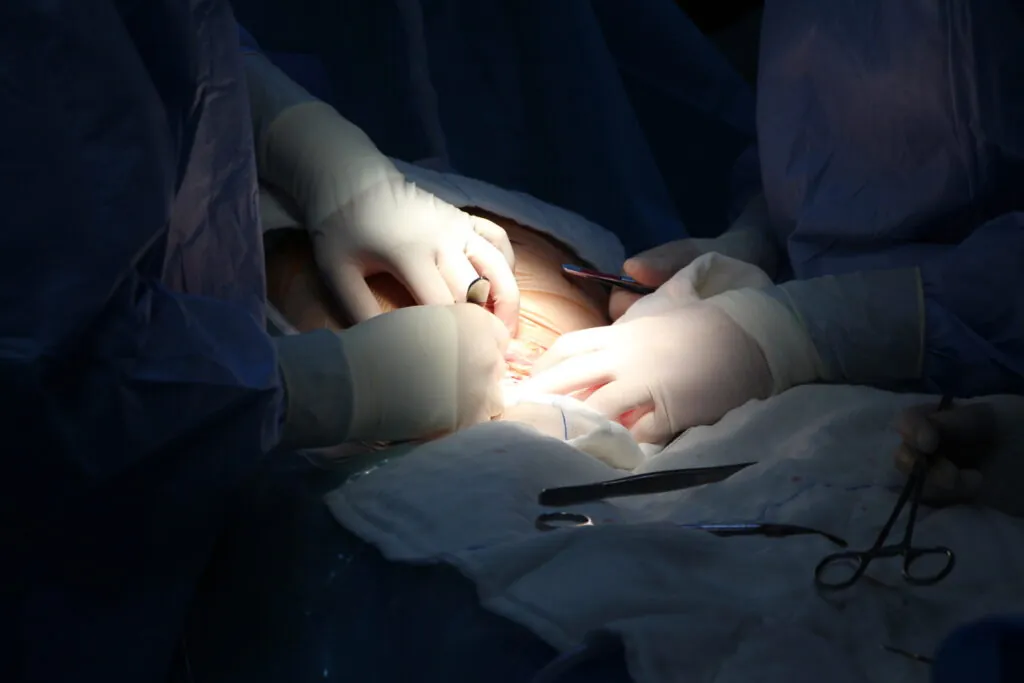
In some cases, these injuries result from unavoidable circumstances. However, in many others, they are caused by medical negligence, such as delayed responses, poor decision-making, or errors during surgery. In these situations, families have the legal right to file a C-section birth injury lawsuit and seek compensation for the harm done.
This guide will help you understand what these lawsuits involve, how to recognize if you have a valid claim, the process of filing, and what kind of compensation may be available. We’ll also address frequently asked questions, share real-world examples, and explain what steps to take if you believe your child’s injury was preventable.
Understanding C-Section Birth Injuries
What Is a C-Section Birth Injury?
A C-section birth injury occurs when a baby suffers harm as a result of errors or complications during a Cesarean delivery. While many C-sections are safely performed, there are cases where mistakes in timing, surgical technique, or patient monitoring lead to avoidable trauma.
Injuries may be physical, neurological, or developmental. The severity can range from minor bruises that heal in days to permanent disabilities requiring lifelong care.
Common Types of Newborn Injuries During Cesarean Deliveries
Several types of injuries can result from negligent C-sections, including:
- Brachial Plexus Injury: Damage to the nerves controlling the arm and hand, often caused by improper fetal extraction techniques.
- Hypoxic-Ischemic Encephalopathy (HIE): A serious brain injury caused by oxygen deprivation, which can lead to cerebral palsy or cognitive impairment.
- Skull Fractures or Lacerations: These may occur due to improper use of forceps, vacuum devices, or surgical tools.
- Spinal Cord Damage: Caused by trauma during delivery or incorrect incision placement.
- Facial or Nerve Damage: From excessive pressure or surgical error during delivery.
Causes of Birth Trauma During a Cesarean Section
C-section injuries are often preventable. Many occur not because of the Cesarean procedure itself, but because of poor medical judgment or failure to follow established protocols.
Examples of Negligent Practices Leading to Injury
- Delayed Emergency Intervention: Waiting too long to perform a C-section despite clear signs of fetal distress can deprive the baby of oxygen.
- Improper Fetal Extraction: Mishandling the infant during delivery can result in fractures, nerve injuries, or internal trauma.
- Inadequate Fetal Monitoring: Failing to notice changes in heart rate or other signs that require urgent intervention.
- Surgical Mistakes: Making incorrect incisions or causing avoidable injury to the baby or mother during surgery.
When these actions fall below the accepted standard of care for obstetric professionals, they may be classified as medical malpractice.
How to Know If You Have a Case
Not all birth injuries are caused by negligence, so it’s important to evaluate the circumstances of your child’s injury to determine if legal action is appropriate.
To file a successful C-section birth injury lawsuit, your legal team must demonstrate four key elements:
- Duty of Care: The healthcare provider had a responsibility to provide a certain standard of care during your pregnancy and delivery.
- Breach of Duty: The provider failed to meet that standard due to an action or inaction.
- Causation: This failure directly caused harm to your child.
- Damages: The injury resulted in measurable harm, such as medical bills, long-term care costs, or loss of quality of life.
Some signs that negligence may have played a role include:
- The C-section was significantly delayed despite signs of distress.
- Your child was diagnosed with HIE, brain trauma, or nerve damage
- No clear explanation has been provided for your child’s condition.
- Your baby exhibited bruising, fractures, or neurological symptoms shortly after birth.
Proving Medical Negligence in C-Section Delivery
Medical malpractice claims are complex. You’ll need strong, credible evidence to show that your child’s injury was preventable and that the provider’s actions (or lack thereof) directly caused it.
Building Your Case
- Medical Record Review: This includes fetal heart monitoring, delivery notes, and postnatal assessments. Inconsistencies or lapses in care can serve as critical evidence.
- Expert Testimony: Independent obstetricians, pediatric neurologists, and other medical experts may review your case and confirm whether the standard of care was breached.
- Timeline Documentation: Establishing a clear timeline—what the provider knew and when—can demonstrate that quicker action could have prevented the injury.
Proving negligence often comes down to showing what a competent doctor would have done in the same situation.
The Legal Process: Step-by-Step
Understanding how a C-section birth injury lawsuit progresses can help ease some of the anxiety you may be feeling. Here’s what to expect:
Step 1: Initial Legal Consultation
You’ll speak with a birth injury attorney to discuss your experience and determine whether there are grounds to move forward. This consultation is usually free.
Step 2: Investigation and Evidence Collection
Your lawyer will request and analyze medical records, consult with experts, and assess the strength of your claim. This step can take weeks to months, depending on the complexity.
Step 3: Filing the Lawsuit
If the evidence supports your case, your attorney will file a formal legal complaint against the healthcare providers or institutions responsible.
Step 4: Discovery and Negotiation
Both sides exchange evidence. Settlement discussions often happen during this phase. Many cases are resolved without going to trial.
Step 5: Trial or Settlement
If no settlement is reached, the case proceeds to court. A judge or jury determines liability and any damages awarded.
Compensation in C-Section Birth Injury Lawsuits
The impact of a birth injury can last a lifetime. Compensation helps families cover medical and non-medical costs associated with the injury.
Common Types of Compensation
- Medical Bills: Including surgeries, therapies, and rehabilitation.
- Future Medical Care: For chronic conditions or disabilities.
- Special Education and Home Care: Costs associated with developmental support or mobility assistance.
- Pain and Suffering: For both the child and the emotional trauma experienced by parents.
- Loss of Future Earnings: If your child is unable to work in adulthood due to their injury.
- Punitive Damages: Awarded in cases of gross negligence or misconduct.
In serious cases involving brain damage or permanent disability, settlements can exceed millions of dollars.
Real-Life Case Examples
While each case is unique, past lawsuits provide insight into how courts view these injuries:
- A hospital paid a multi-million dollar settlement to a family after a baby suffered HIE due to a delayed emergency C-section. Expert testimony proved that earlier intervention would have prevented oxygen loss.
- In another case, a physician was found liable after improper fetal extraction resulted in brachial plexus damage. Surgical notes and expert reviews highlighted avoidable errors.
These examples show how families can obtain justice and resources needed to care for their injured children.
What to Do Next: A Legal Checklist
- Get copies of all medical records related to your pregnancy and delivery.
- Take notes about what you remember — names of doctors, timeline of events, signs of fetal distress.
- Document your child’s symptoms and diagnosis.
- Contact a lawyer experienced in birth injury or medical malpractice law.
- Do not accept a settlement or speak with hospital attorneys without your own legal counsel.
Frequently Asked Questions
Can I sue if my baby was hurt during a C-section?
Yes, you can pursue legal action if your baby was injured during a Cesarean delivery and the injury resulted from medical negligence or a failure to meet the appropriate standard of care. If a doctor, nurse, or hospital made avoidable errors that led to your child’s injury, you may have grounds to file a C-section birth injury lawsuit. These lawsuits allow you to seek compensation for your child’s medical expenses, long-term care needs, and the emotional toll placed on your family.
How do I know if medical malpractice occurred during my C-section?
Medical malpractice is determined by comparing what happened in your case to what a reasonably competent medical professional would have done under similar circumstances. If your doctor failed to act on signs of fetal distress, delayed performing an emergency C-section, used excessive force, or made a surgical error, those actions may constitute malpractice. Consulting with a birth injury attorney and medical experts is the best way to evaluate whether your situation meets the legal criteria for negligence.
What kind of evidence is needed to prove negligence in a birth injury case?
Proving negligence in a birth injury case typically requires medical records, expert opinions, and a clear timeline of events. Medical records will show what steps the providers took and whether those steps aligned with accepted medical practices. Expert witnesses, such as obstetricians or neonatologists, can testify about how your doctor’s decisions deviated from the standard of care. Your attorney will also gather documentation showing how the injury has impacted your child’s health and quality of life.
What compensation can I receive from a C-section birth injury lawsuit?
Compensation in a birth injury case can include both economic and non-economic damages. Economic damages cover current and future medical bills, therapy, special education services, and in-home care. Non-economic damages address pain and suffering, emotional distress, and loss of enjoyment of life. In severe cases, compensation can also account for the child’s reduced earning potential in adulthood. Some cases may include punitive damages if the provider’s actions were especially reckless or harmful.
How long do I have to file a birth injury lawsuit?
The statute of limitations for birth injury lawsuits varies by state, but it generally ranges from one to three years from the date the injury occurred or was discovered. In cases involving children, some states allow the statute to be extended until the child reaches a certain age. However, it is essential to act as soon as possible, because delays can affect your ability to gather evidence or meet legal deadlines.
Final Thoughts
A C-section should be a procedure that ensures the safety of both mother and child. But when healthcare providers fail in their duty, the consequences can be devastating. If your baby was harmed during a Cesarean delivery, you are not alone — and you are not without legal options.
You may be entitled to significant compensation to help cover medical costs, therapy, and the lifelong care your child may need. Taking legal action is not just about money — it’s about accountability, justice, and protecting your child’s future.
Contact Rafferty Domnick Cunningham & Yaffa Today
If you believe medical negligence caused your baby’s injury during a C-section, don’t wait. The sooner you speak with an attorney, the better your chances of building a strong case and preserving vital evidence.
Schedule a free consultation with Rafferty Domnick Cunningham & Yaffa today to learn your rights, understand your options, and take the first step toward justice.